

A vehicle’s brake system is one of the most important safety systems on the road. Most drivers use their brakes every day without thinking much about what is happening underneath the vehicle. But when brake performance changes, even slightly, it can affect comfort, control, and safety.
Good braking depends on several parts working together. The pedal, brake fluid, master cylinder, calipers, pads, rotors, hoses, sensors, and electronic controls all play a role. If one part starts to fail or wear out, the whole system may feel different. The pedal may feel soft, the vehicle may pull to one side, warning lights may appear, or stopping distance may increase.
Understanding basic brake system maintenance helps drivers recognize problems earlier. You do not need to be a mechanic to know when something feels off. A strange noise, vibration, fluid leak, or dashboard warning light can all be signs that the system needs attention.
Brakes should never be ignored. A small issue can become more serious over time, especially during highway driving, heavy traffic, towing, rain, or sudden stops. Learning how the system works can help drivers make smarter maintenance decisions and stay more confident behind the wheel.
Hydraulic Components Behind Better Pedal Response
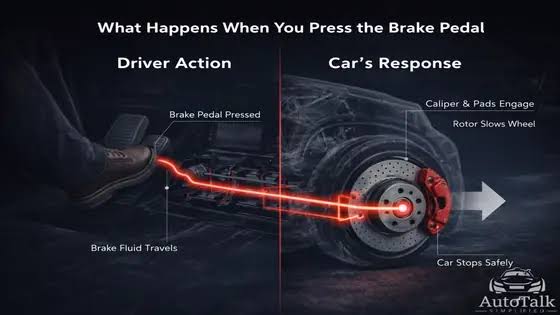
Most modern brake systems rely on hydraulic pressure. When the driver presses the brake pedal, that force is transferred through brake fluid to different parts of the system. This hydraulic pressure helps move components that press the brake pads against the rotors, slowing the vehicle down.
Brake pedal feel can tell drivers a lot about system condition. A firm, predictable pedal usually means the system is responding properly. A soft, spongy, sinking, or inconsistent pedal may point to air in the lines, low brake fluid, a leak, worn components, or another hydraulic issue.
One part drivers should be aware of is the brake fluid reservoir. This reservoir holds the brake fluid needed for the hydraulic system to operate. If the fluid level is low, the brake system may not build pressure correctly. Low fluid can also be a sign of worn brake pads or a leak somewhere in the system.
Drivers should check brake fluid level according to the vehicle’s maintenance guidelines. The fluid should be within the marked range, and the reservoir area should be clean. If the level keeps dropping, that should not be ignored. Adding fluid may help temporarily, but it does not fix the reason the fluid is low.
Brake fluid condition also matters. Over time, brake fluid can absorb moisture, which may reduce performance and affect internal parts. Old or contaminated fluid can contribute to poor pedal feel, corrosion, and reduced braking consistency. This is why brake fluid service is part of long-term brake maintenance.
Calipers are another major part of the hydraulic braking system. Brake calipers use hydraulic pressure to squeeze the pads against the rotors. If a caliper is sticking, leaking, or not moving correctly, the vehicle may brake unevenly. Drivers may notice pulling, dragging, burning smells, uneven pad wear, or heat from one wheel.
In some cases, a brake caliper repair kit may be connected to service work on caliper components. Caliper condition is important because even if the pads and rotors are new, poor caliper operation can still affect braking performance.
Brake hoses and lines are also part of the hydraulic system. These parts carry brake fluid pressure to the wheels. If a hose cracks, swells, leaks, or collapses internally, braking can become inconsistent. Visual inspections can help catch damage before it becomes more serious.
Drivers should also pay attention to brake warning signs during normal driving. A pedal that slowly sinks while stopped, grinding noises, squealing, vibration, or a vehicle that pulls during braking should be checked. These symptoms may come from different causes, but they all point to the need for inspection.
Hydraulic brake components work best when the system is sealed, clean, and properly maintained. Fluid level, fluid condition, caliper function, and hose condition all affect how the pedal feels and how well the vehicle stops.
Electronic Controls Found in Modern Braking Systems
Modern braking systems are not only mechanical and hydraulic. They also include electronic controls that help improve stability, traction, and braking performance in certain situations. These systems are especially important during slippery conditions, sudden stops, and hard braking.
One of the most important electronic braking components is the abs module. ABS stands for anti-lock braking system. The system is designed to help prevent wheels from locking during hard braking. When working properly, ABS can help the driver maintain more steering control during emergency stops.
The ABS module works with wheel speed sensors and other components to monitor what is happening at each wheel. If the system detects that a wheel is slowing too quickly or may lock up, it can adjust brake pressure rapidly. Drivers may feel pulsing in the brake pedal during ABS activation. This can feel unusual, but it is often normal during hard braking when ABS is working.
Electronic braking systems may also support traction control and stability control. These systems can help manage wheel slip and vehicle movement in certain conditions. While they do not replace safe driving habits, they can add an extra layer of control when roads are wet, icy, uneven, or loose.
Dashboard warning lights are important. If the ABS light, traction control light, or brake warning light turns on, the vehicle may need inspection. In some cases, the base brakes may still work, but the electronic assistance may be limited or disabled. Drivers should not assume the issue is minor just because the vehicle still stops.
Wheel speed sensors can also affect ABS performance. If a sensor is dirty, damaged, or failing, the system may receive incorrect information. This can trigger warning lights or affect how the electronic braking system responds. Wiring, connectors, and sensor tone rings can also play a role.
Electronic brake controls depend on accurate information. If the system cannot read wheel speed correctly, it may not function as intended. This is why diagnosis is important when brake-related warning lights appear. Guessing at parts can waste time and money.
Modern braking systems also need good mechanical condition to work properly. ABS and traction control cannot make up for worn brake pads, bad rotors, low fluid, or sticking calipers. The electronic system supports braking, but the physical brake components still need to be maintained.
Drivers should think of brake maintenance as a complete system. Hydraulic parts create pressure, mechanical parts create friction, and electronic parts help control braking behavior in certain conditions. When all of these areas are working together, the vehicle feels safer and more predictable.
Conclusion
Brake system basics are worth understanding because brakes affect every drive. A healthy system helps the vehicle stop smoothly, respond predictably, and stay more controlled during normal and emergency braking.
Hydraulic components like the brake fluid reservoir, brake lines, hoses, and calipers help create the pressure needed for strong pedal response. Electronic components like the ABS module help support control during hard braking and low-traction situations. Both areas matter.
Drivers should watch for warning signs like soft pedals, leaks, grinding, vibration, pulling, burning smells, or dashboard brake lights. These symptoms can point to problems that should be checked before they become more serious.
Good brake maintenance is about more than replacing pads. It means paying attention to fluid, hardware, calipers, sensors, and system behavior. When drivers understand how these parts work together, they can make smarter decisions and keep their vehicle safer on the road.
