

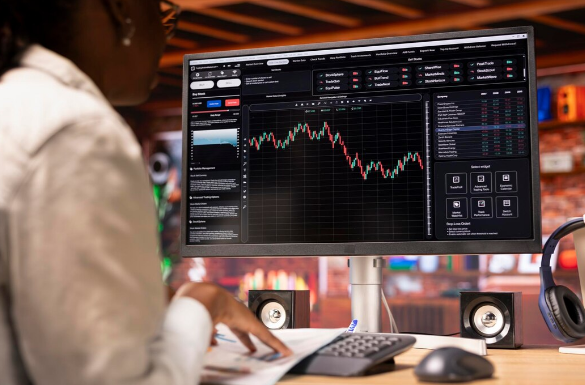
Selecting the wrong commodity platform triggers execution slippage and capital loss. Active traders require ultra-low latency, real-time WebSocket tick feeds, integrated options analytics, and automated risk controls. Avoiding legacy app deficiencies preserves profit margins across volatile market sessions.
Key Takeaways:
- High execution slippage destroys profit margins during evening market volatility.
- Delayed snapshot feeds conceal crucial microsecond price breakouts from traders.
- Automated device-binding and cloud servers prevent catastrophic platform lockouts.
- Advanced options analytics protect derivative traders from dynamic volatility spikes.
Indian retail traders are expanding beyond equities into energy, metals, and agricultural derivatives. However, selecting an inadequate trading platform for commodities leads to hidden execution drag and capital losses.
Many beginners pick apps based on flashy marketing rather than server latency and analytical depth. A flawed system ruins even the best technical analysis during volatile market sessions.
Identifying severe software deficiencies empowers traders to build a resilient trading infrastructure. Evaluating key operational features ensures consistent execution performance across all commodity market regimes.
Technical Infrastructure and Execution Errors in Commodity Trading
Commodity markets move rapidly during global trading hours. Software latency and delayed price data create unseen financial drag for active retail participants.
The table below outlines operational parameters when evaluating modern online commodity trading platforms.
| Evaluation Parameter | Legacy Trading Application | High-Speed Analytical Platform |
| Data Feed Protocol | Delayed REST polling snapshots | Continuous WebSocket tick streaming |
| Execution Latency | 200ms to 500ms processing delay | Sub-20ms direct server routing |
| Chart Placement | Multi-step order placement screens | One-tap order execution from charts |
| Server Redundancy | Single cloud server hosting | Co-located servers with failovers |
Table: Execution Infrastructure Matrix
1. Overlooking High Slippage During Evening Global Market Volatility
MCX crude oil and natural gas prices react heavily to US market openings. Trading volumes surge dramatically during these evening volatility bursts.
Legacy platforms struggle to handle sudden message traffic spikes on trading servers. Order execution delays cause massive slippage between click time and fill confirmation.
Negative slippage increases your transaction costs significantly over multiple trade executions. Selecting a low-latency system preserves your precise technical risk-to-reward parameters.
2. Settling for Delayed Snapshot Data Feeds Instead of Tick Streaming
Basic mobile applications utilize REST polling protocols to refresh market quotes periodically. These snapshot feeds update price charts every few seconds instead of continuously.
Delayed data feeds mask rapid price breakouts and sudden institutional order flows. Traders buy at perceived support levels, only to discover prices have already collapsed.
Professional traders demand continuous WebSocket tick data streaming for active market tracking. Real-time price updates ensure complete chart clarity during high-velocity price moves.
Functional Gaps in Risk Management and Order Placement
Intuitive order placement and clear margin transparency form the core foundation of disciplined trading. Clunky platform interfaces cause costly execution mistakes during active sessions.
Understanding platform risk controls helps traders avoid unexpected account liquidations and margin calls.
3. Ignoring Margin Utilization Rules Across MCX Futures & Options
Commodity derivative contracts require dynamic intraday margin monitoring across overnight positions. Flawed software fails to display real-time margin utilization percentages clearly.
Unclear margin tracking leads to unexpected peak margin penalties from exchange authorities. Traders face forced position liquidations when market volatility drives initial margin requirements upward.
Modern online commodity trading platforms provide dynamic margin calculators directly on order screens. Clear margin visibility prevents over-leveraging and shields capital from penalty charges.
4. Choosing Apps Lacking Direct-from-Chart Trade Placement
Navigating away from active technical price charts to open separate order windows wastes valuable seconds. Price action shifts rapidly while entering lot sizes and limit prices manually.
Apps lacking chart-trading features force traders to miss optimal entry and exit points. Delays in manual order placement increase emotional fatigue during fast-moving market setups.
Single-tap chart trading lets users place, adjust, and cancel orders visually. Dragging stop-loss lines directly on chart candles improves operational execution discipline.
Hidden Financial Costs and Analytics Deficiencies
Hidden fees and missing analytical tools quietly destroy trader profitability over time. Selecting a robust trading platform for commodities requires analyzing full fee transparency and options depth.
Evaluating analytical tools ensures your trading software supports quantitative decision-making.
5. Falling for High Brokerage Plans Hidden Under “Free Account” Claims
Many brokers advertise zero account opening fees to attract novice retail traders. However, they conceal heavy flat fees on order modifications and call-and-trade services.
Hidden transaction charges rapidly accumulate across high-frequency intraday trading strategies. Unexpected clearing fees and wide bid-ask spreads reduce total net account returns.
Review complete schedule charges before opening any live trading profile. Transparent pricing frameworks allow accurate tracking of total execution costs per trade.
6. Neglecting Options Analytics (Open Interest & Volatility Skew)
Options trading on commodities requires analyzing implied volatility, open interest build-ups, and Greeks. Standard platforms show simple option chains without detailing delta or vega values.
Trading commodity options without Greeks analytics can often leave positions vulnerable to sudden time-decay losses. Unaware traders may end up buying expensive contracts right before the collapse of implied volatility.
Advanced online commodity trading platforms offer visual options payoff diagrams and live Greeks tracking. Real-time options analytics support traders with the safe construction of hedged strategies.
Security Vulnerabilities and Risks in Server Stability
Platform security and server availability are essential requirements for modern trading. Software crashes during high volatility leave open positions completely unmanaged.
Implementing enterprise security frameworks shields trading accounts from unauthorized remote access.
7. Using Platforms Without Automated Session Timeout & Device-Binding Controls
Trading on unsecured networks often exposes personal account credentials to unauthorized intrusions and phishing. Basic apps lacking automatic session timeouts leave trading terminals open to local tampering.
Missing device-binding protocols allow unauthorized logins from unrecognized secondary hardware devices. Cybercriminals can execute unauthorized trades or drain available account funds.
Reliable enterprise platforms enforce mandatory security measures. These often include two-factor authentication, biometric logins, and cryptographic device binding. Such layered security defenses can effectively safeguard trading capital from digital threats.
8. Relying on Lagging Desktop Systems Instead of Low-Latency Cloud Servers
Legacy desktop software relies heavily on local hardware processing power to render technical charts. Outdated desktop applications freeze or crash when processing heavy market data streams.
Local system crashes lock traders out of active positions during major economic news releases. Unmanaged positions suffer severe drawdowns when markets move against open trades.
Modern cloud-native trading architecture safely distributes server loads throughout redundant global data centers. Cloud synchronization also makes sure that seamless operations continue across both desktop terminals and mobile devices.
Final Thoughts
Avoiding common software mistakes allows traders to focus entirely on chart reading and risk management. Upgrading execution technology bridges the performance gap between retail traders and institutional market participants.
Building an Independent Technical Edge
Embrace platforms built specifically for low latency, data transparency, and robust account security. Master your analytical workflow, enforce strict risk rules, and trade with absolute execution confidence.
