

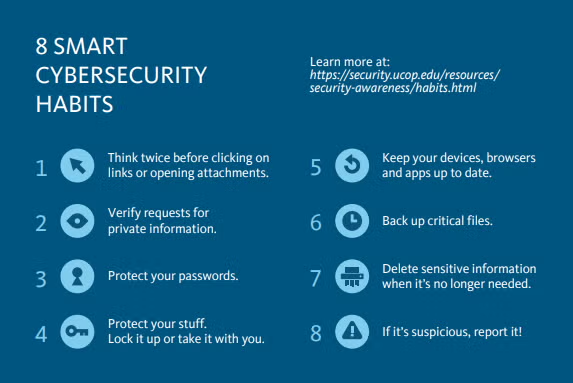
Everyday internet use involves constant interaction with websites, messages, downloads, and online accounts. Most of these activities happen quickly, which can make it easy to overlook small details that affect digital security. Developing a habit of checking those details can help users browse with greater awareness.
When visiting or researching an online resource such as DMFirst, following a few basic safety practices can reduce unnecessary risks. Users do not need advanced cybersecurity skills to make better decisions. Simple actions such as checking links, protecting passwords, limiting permissions, and reviewing account activity can provide useful protection.
Keep Important Software Current
Regular software maintenance is an important part of safer internet use.
Browsers, operating systems, and applications receive updates to improve performance and address known problems. Some releases also contain fixes for security weaknesses discovered after previous versions were published.
Users should install legitimate updates through official software channels. Enabling automatic updates for trusted applications can also help prevent important fixes from being delayed.
Avoid Using Identical Login Details
Reusing passwords across multiple accounts can increase the impact of a single security issue.
If login credentials from one website become exposed, the same combination could potentially be attempted on other services.
Using separate passwords helps keep accounts independent from one another.
Users should choose strong combinations that are not based on obvious personal information or easily guessed patterns.
Review Unexpected Communication Carefully
An email or online message should not be trusted based only on how it looks.
Professional formatting, recognizable logos, and familiar names can make communication appear legitimate even when further verification is needed.
Users should check who sent the message and whether the request makes sense in context.
Messages requesting sensitive information, downloads, payments, or account changes deserve additional attention.
Do Not Allow Urgency to Make the Decision
Some messages are written to encourage immediate action.
They may warn about account restrictions, failed transactions, security concerns, or deadlines. Pressure can make users react before checking whether the claim is genuine.
A better approach is to verify important issues separately.
Users can open the relevant website or application through their normal method and check whether the same alert appears there.
Inspect Unfamiliar Links
A hyperlink may not always lead to the destination suggested by its visible text.
Domain names can also contain subtle changes that are easy to overlook during quick browsing.
Users should check unexpected links before opening them, particularly when they arrive through email, social media, or direct messages.
When there is doubt, visiting the expected service independently may provide a safer route.
Download With a Clear Purpose
Files should only be opened when users understand where they came from and why they are needed.
Unexpected attachments, documents, applications, and compressed files should receive additional scrutiny.
Software should preferably be obtained through official providers or reputable distribution channels.
If a browser or device displays a warning, users should understand the reason before deciding whether to continue.
Protect Temporary Account Codes
One-time codes can authorize important account activities.
A code might be used to confirm a login, recover an account, reset a password, or approve changes to security settings.
Users should therefore keep verification codes confidential.
If a code arrives without an expected request, users should check their account activity rather than sharing the code with anyone.
Add Another Step to Account Security
Multi-factor authentication can make accounts more difficult to access using a password alone.
This feature requires another form of verification during certain login attempts. Depending on the service, this may involve an authenticator app, trusted device, or security key.
Users can consider enabling this protection on accounts that contain important personal or professional information.
Choose Notifications Selectively
Websites often ask for permission to send browser notifications.
Some alerts can be useful, but users should consider whether they genuinely need updates from each website they visit.
Allowing unnecessary notifications can create unwanted messages later.
Existing permissions can usually be reviewed and changed through browser settings.
Question Requests for Device Access
Websites may ask for permission to use a camera, microphone, or location information.
These requests should have a clear relationship with the website’s function.
A video meeting service may reasonably require camera access, while an ordinary information page may not.
Users should grant only the permissions needed for the activity they are performing.
Provide Personal Information With Care
Online forms can request many different types of data.
Before submitting information, users should understand why it is required and whether it is relevant to the service.
Sensitive information such as financial details, identity documents, credentials, and private records deserves greater caution.
Users can also avoid completing optional fields when there is no clear reason to provide the additional information.
Check Active Sessions Periodically
Many services allow account holders to review devices and sessions currently connected to their accounts.
These tools can help users recognize access that does not match their normal activity.
Unknown devices, unexpected locations, or unfamiliar sessions may require investigation.
Users should manage such activity through the platform’s official security settings.
Investigate Security Alerts Independently
Unexpected password resets or login notifications can sometimes indicate unusual account activity.
Instead of immediately following a link contained in the message, users can access the service directly.
They can then review recent activity and confirm whether any security changes have occurred.
Independent verification reduces reliance on potentially misleading communication.
Be Cautious With Shared Computers
Public and shared devices may retain information after users finish their sessions.
Saving passwords, leaving accounts open, or storing sensitive documents can make private information accessible to someone else.
Users should avoid allowing shared browsers to remember credentials and should log out completely when finished.
Important account activity is generally better handled on a trusted personal device.
Review Browser Extensions Regularly
Extensions can add useful functions but may also receive access to browsing information.
Users should periodically check which extensions remain installed and remove tools they no longer use.
Before installing something new, it is useful to review its source and requested permissions.
Keeping unnecessary extensions to a minimum can make browser access easier to manage.
Maintain Reliable Recovery Details
Recovery information can help users regain access to an account when normal login methods are unavailable.
Phone numbers and email addresses used for recovery should remain current and accessible.
Outdated details may make account restoration more difficult.
Recovery accounts should also have strong security because they may provide access to other important services.
Back Up Information Before It Is Lost
Digital protection should include preparation for unexpected data loss.
Hardware problems, accidental deletion, device damage, or malicious software can make files unavailable.
Maintaining another secure copy of valuable information can make recovery easier.
Important work, documents, photographs, and personal records should be backed up regularly.
Pay Attention to Browser Warnings
Security warnings should be read before they are dismissed.
A browser may display an alert because of a questionable download, connection, permission, or website.
Users should consider why the warning appeared before proceeding.
When the source or destination cannot be confidently verified, stopping the action can be safer than continuing automatically.
Confirm Websites Before Entering Passwords
Login credentials should only be submitted after users verify the website.
This is especially important when a login page was opened from an email, message, or unfamiliar link.
Users should examine the domain and confirm that it matches the intended service.
If anything appears unusual, opening the website independently can provide a safer alternative.
Pause Briefly Before Important Online Actions
One of the simplest security practices is taking a few seconds to check before acting.
Users can ask where a link leads, why a file was sent, whether a permission is necessary, or who is requesting information.
These quick checks can prevent decisions based purely on appearance or urgency.
With regular practice, this approach becomes a natural part of everyday browsing.
Final Thoughts
Improving online safety does not always require complicated security systems. Consistent everyday habits can provide meaningful protection.
Keeping software current, using unique passwords, enabling additional authentication, checking links and messages, protecting verification codes, limiting permissions, reviewing account activity, and maintaining backups can all contribute to safer internet use.
The most useful habit is simple: verify first. Taking a moment to understand an unfamiliar request before clicking, downloading, sharing information, or signing in can help users maintain better control over their digital activity.
