

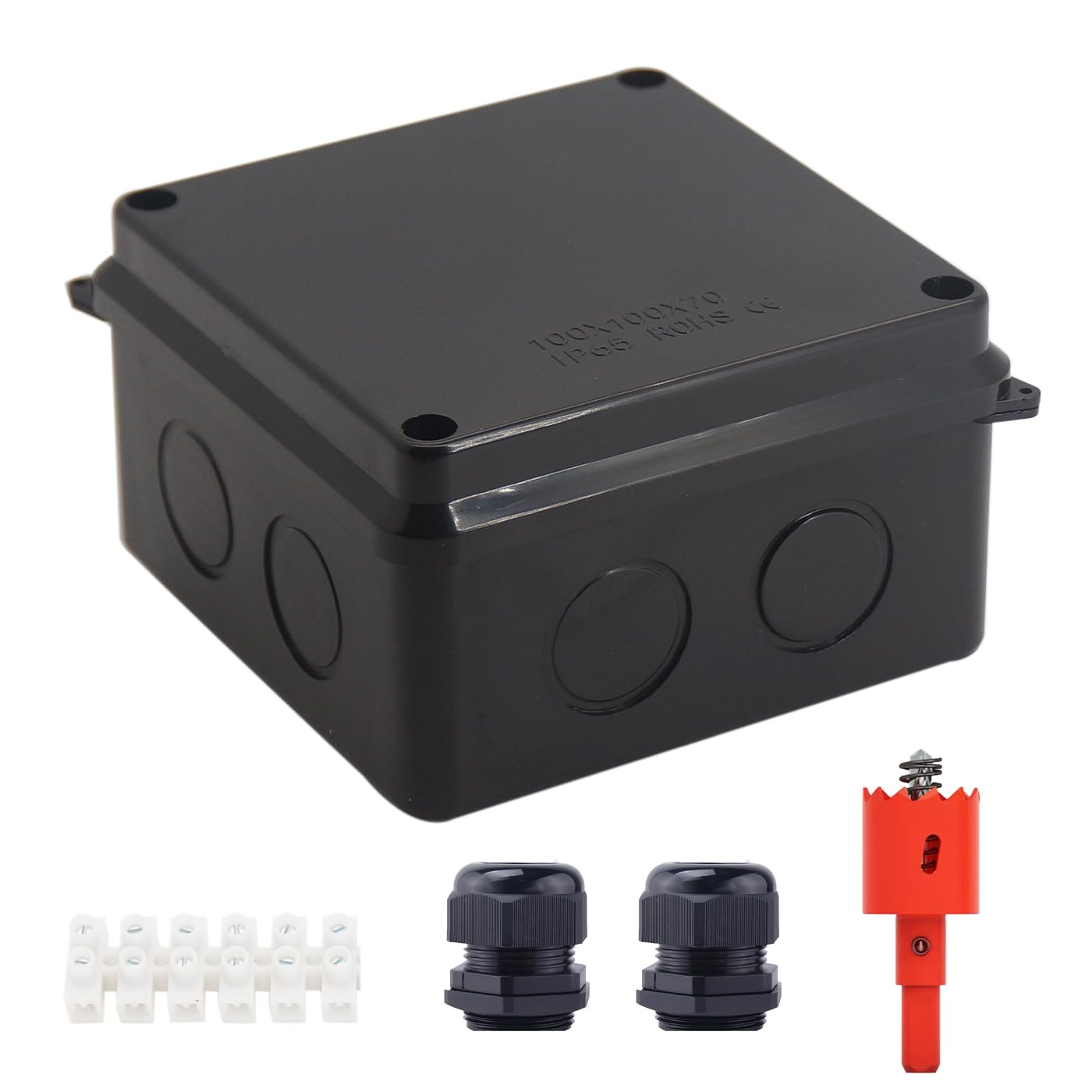
When it comes to electrical installations, the foundation of a safe, durable, and tidy job starts with the right Junction Boxes. For Australian electricians, contractors, and builders, understanding how to select, install, and maintain electrical junction boxes is critical for compliance, safety, and client satisfaction.
Whether wiring a new home, upgrading commercial premises, or managing outdoor installations, choosing the correct junction box or electrical box, including the right accessories like cable connectors and weatherproof enclosures, can save you headaches. This guide will walk you through all the essentials, from product choices to installation tips, helping you deliver clean, code-compliant, and long-lasting results.
Why Junction Boxes Matter?
Junction boxes aren’t just plastic or metal containers hiding behind walls or ceilings. They’re a vital safeguard for your wiring system:
· Protect Connections: Junction boxes secure wire splices, preventing accidental damage or short circuits.
· Contain Sparks: In case of electrical faults, they contain sparks or arcs inside the box.
· Code Compliance: Australian Standards require all wire connections to be enclosed in a suitable junction box.
· Accessibility: They allow electricians to safely access and troubleshoot wiring without major demolition.
Choosing the right junction box tailored for your project is the first step toward a professional finish.
Types of Junction Boxes and Their Uses
The variety of junction boxes available in the market reflects the broad range of applications. Some common types include:
Standard Indoor Junction Boxes
Usually made of plastic or galvanized steel, these boxes are great for indoor wiring in dry locations. These wonderful items come in all sorts of shapes and sizes. Whether you buy rectangular, square, or round, it really depends on the complexity of the wiring.
When to use: Residential walls, ceilings, and light fixture connections.
Weatherproof Junction Boxes and Enclosures
For outdoor or damp locations, weatherproof boxes are a must. They feature tight seals, rubber gaskets, and corrosion-resistant materials to keep moisture and dust out.
When to use: Outdoor lighting, garden power points, or any wiring exposed to the elements.
Electrical Junction Boxes with Cable Connectors
These boxes come equipped with built-in cable glands or connectors that secure cables as they enter the enclosure. This reduces cable strain and improves safety by preventing accidental cable pull-out or wear.
When to use: Commercial sites or complex installations where cable management is critical.
Installation Best Practices for Junction Boxes
Correct installation not only guarantees your safety but also ensures that the client’s system operates perfectly for years to come.
Mount Securely: Use appropriate screws and anchors. Boxes should be firmly fixed to studs, ceilings, or mounting surfaces.
Cable Entry: Always use cable connectors or glands where cables enter the box. Avoid sharp bends or pulling cables too tightly.
Grounding: Metal boxes must be grounded properly. Attach the grounding conductor to the grounding screw.
Accessibility: Never install boxes behind permanent fixtures or drywall without a removable cover. Access must be straightforward for inspections and repairs.
Product Highlights: Trusted Solutions for Your Jobsite
Australian professionals prefer that junction boxes are versatile and dependable. They are sold in different sizes and made from numerous materials to serve many types of needs. Because they easily match with normal wiring, electricians and contractors nationwide choose them most often.
Best Installations:
· Suitable for a variety of settings, including residential, commercial, and industrial electrical installations.
· Provide a central point for safe wire connections
· Mounted inside walls, ceilings, or utility rooms
· Distribute power, control lighting circuits, and connect devices
Benefits
· Improve safety by containing electrical connections and preventing accidental contact
· Simplify troubleshooting and future upgrades with easy access to wires
· Help meet Australian electrical standards for compliance and inspections
Electrical Junction Boxes with Cable Connectors
Electrical junction boxes with cable connectors are widely used since they help organize cables most efficiently. With secure attachment, the integrated cable glands prevent the strain and damage that might happen to wiring connections. Because of this, the electrical system in these situations is able to last and stay safe when subjected to movement or vibration.
Where to Install?
· Frequent in commercial structures, manufacturing facilities, and external electrical configurations
· Ideal for environments with vibration or cable movement stress
· Used where cables enter the box and need secure strain relief
Benefits:
· Prevent cable pull-out and protect wiring from mechanical stress
· Seal entry points against dust and moisture to reduce fire and short-circuit risks
· Make installations neater and more reliable, saving time during setup and maintenance
Products to Get:
· Small Junction Box With Connectors
· Large Junction Box With Connectors
· Mini Junction Box – SJB3
Weatherproof Adaptable Boxes/Enclosures
Any facility in a rough location or unpredictable climate must rely on weatherproof adaptable boxes/enclosures. The excellent dust, water and UV protection in IP65+ rated LED panels benefit them in Australian weather. Installing them on walls, poles or below ground makes them useful for many different weather situations. Make sure to notice these things:
IP65 or Higher Rating: Ensures total protection against dust and jets of water.
UV-Resistant Materials: Prevents cracking and brittleness over time.
Flexible Mounting Options: Adaptable boxes can be mounted on walls, poles, or even underground vaults.
Installations:
· Essential for outdoor or harsh environments like building exteriors, gardens, factories, and marine settings
· Shield electrical connections from rain, dust, UV rays, and extreme temperatures.
· Ideal for lighting controls, power outlets, security systems, and communication lines.
Advantages:
· The system is made to hold up against moisture and potential corrosion.
· Organize buildings so that systems remain reliable while limiting periods of downtime from the weather.
· Because they can attach to some surfaces, outdoor gear remains more dependable and long-lasting.
Products to Buy:
· 108mm X 108mm X 80mm Weatherproof Adaptable Box IP56
· 77mm X 77mm X 54mm Weatherproof Adaptable Box IP56
· 210mm X 108mm X 80mm Weatherproof Adaptable Box IP56
· Weatherproof Double Powerpoint/Switch Enclosure IP54 – Sparkelec
· 190mm X 140mm X 70mm Weatherproof Adaptable Box IP56
Where to Purchase the Best Junction Boxes?
Is it 2025, and you still use outdated or basic junction boxes? Leave them! It’s time to upgrade your electrical projects. Modern junction boxes, including weatherproof adaptable enclosures and electrical junction boxes with cable connectors, offer enhanced safety, easier installation, and better protection against the elements.
Australian electricians, contractors, and builders trust these high-quality solutions to meet strict safety standards and provide long-lasting performance. Looking for junction boxes at competitive prices with reliable delivery? Electrical Wholesaler AGM Electrical Supplies offers various junction boxes that are perfect for any project at low shipping fees and market-competitive prices. Visit their 7-day open showroom or order today to ensure your next installation is safe, neat, and up to code!
FAQS
What is the primary purpose of a junction box in electrical wiring?
A junction box securely houses wire connections, protecting against damage, dust, and moisture while organizing wires for easier inspection and maintenance.
Can I use any type of junction box for indoor and outdoor applications?
No. Indoor junction boxes are non-weatherproof plastic or metal, while outdoor installations need weatherproof boxes/enclosures with appropriate IP ratings for dust and water resistance.
Are metal junction boxes better?
Metal boxes provide durability and shielding but need grounding. Plastic boxes are lightweight, corrosion-resistant, and easy to install for indoor use.
How do weatherproof boxes protect outdoor connections?
They use seals and corrosion-resistant materials to block water and dust.
Why use junction boxes with cable connectors?
They secure cables, prevent strain, and protect the box’s seal.
