

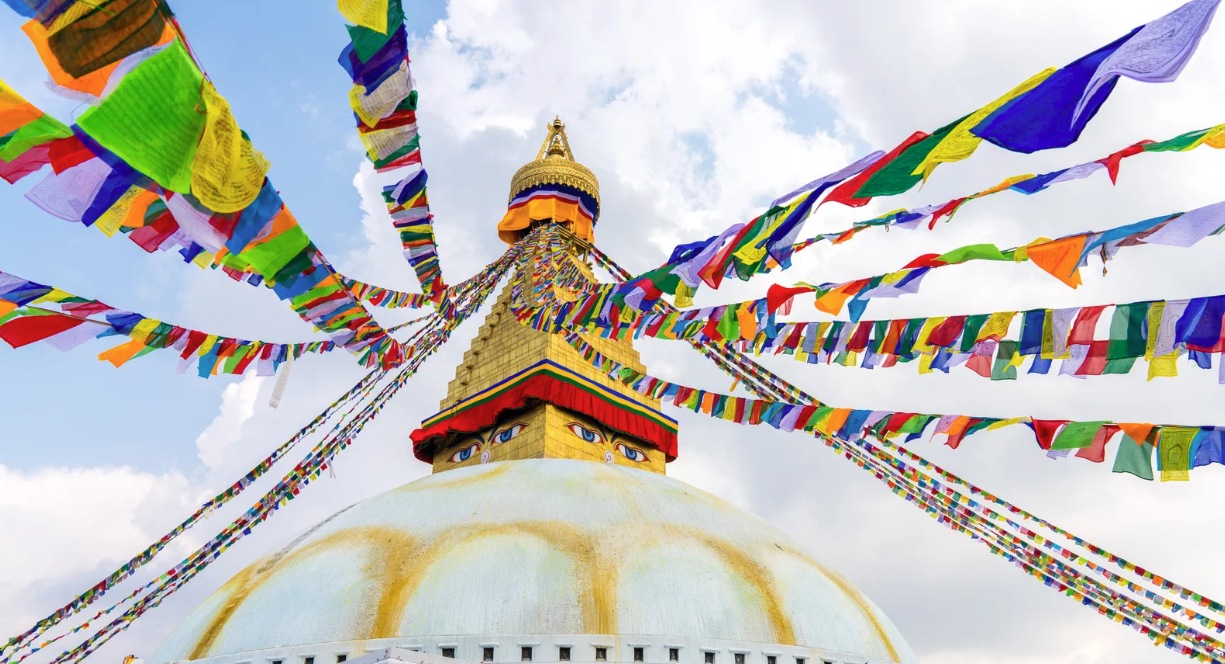
The Himalayas are home to some of the most spectacular landscapes and culturally fascinating destinations in South Asia. Among them, Nepal and Sikkim offer two distinctive ways to experience the mountains. Nepal is known for its mighty Himalayan peaks, ancient temples, trekking routes, historic cities, and diverse landscapes. Travelers exploring Nepal tour packages can experience a combination of cultural heritage, mountain adventures, spiritual sites, and scenic destinations, while Sikkim combines dramatic mountain scenery with peaceful monasteries, alpine lakes, charming hill towns, and rich local traditions.
Although both destinations are in the Himalayan region, the experiences they provide are quite different. Nepal offers a broad mix of cultural exploration, mountain adventures, wildlife, pilgrimage, and trekking, while Sikkim is ideal for travellers looking for scenic drives, peaceful mountain escapes, monasteries, and high-altitude landscapes.
Whether you are planning a family holiday, a romantic getaway, an adventure trip, or a peaceful Himalayan vacation, exploring these two destinations can give you an opportunity to experience different sides of mountain travel.
1. Nepal’s Diverse Himalayan Landscapes
Nepal is one of the most fascinating destinations for travelers who want to experience the Himalayas. The country stretches from the lowland Terai region to some of the world’s highest mountain areas, creating remarkable geographical diversity.
The landscape changes dramatically as you travel through the country. You can experience busy heritage streets in Kathmandu, peaceful lakeside surroundings in Pokhara, green valleys, forests, rivers, traditional villages, and snow-covered mountain scenery.
The Himalayan environment is one of Nepal’s biggest attractions. Mountain lovers can enjoy spectacular views of peaks and valleys, while travelers who prefer a relaxed holiday can explore cultural sites, lakes, temples, markets, and local neighborhoods.
This variety makes Nepal suitable for different types of travelers and not only for trekking enthusiasts.
2. Sikkim’s Dramatic Mountain Scenery
Sikkim offers a quieter and more compact Himalayan experience. Surrounded by mountains and filled with forests, valleys, monasteries, and high-altitude lakes, the state is especially attractive to travelers looking for scenic surroundings and peaceful hill destinations.
Gangtok is one of the most popular bases for exploring Sikkim. From here, travelers can visit viewpoints, monasteries, local markets, and surrounding mountain destinations.
North and East Sikkim provide a different experience, with higher elevations, alpine landscapes, winding roads, and dramatic mountain scenery. Places such as Tsomgo Lake and other high-altitude areas allow visitors to experience a more rugged side of the Himalayas.
The combination of natural beauty, Buddhist heritage, and mountain communities gives Sikkim its own distinctive identity.
3. Nepal’s Ancient Temples and Heritage Sites
Nepal’s appeal goes beyond mountains. Its cultural heritage is an important part of any visit, particularly around Kathmandu and other historic destinations.
Kathmandu Valley contains ancient temples, traditional architecture, courtyards, monasteries, and historic landmarks. Places such as Pashupatinath, Boudhanath, Swayambhunath, and Patan provide opportunities to understand Nepal’s religious and artistic traditions.
Lumbini is another important destination, particularly for travelers interested in Buddhist heritage. Recognized as the birthplace of Gautama Buddha, it attracts visitors from different parts of the world.
Exploring these heritage sites allows travelers to experience the cultural side of Nepal rather than focusing only on mountain scenery.
4. Sikkim’s Peaceful Monasteries
Sikkim’s Buddhist heritage is one of the defining features of the destination. Monasteries are found across the state, often surrounded by forests, mountains, and peaceful landscapes.
Rumtek Monastery and Enchey Monastery are among the places travelers can include in their sightseeing plans. These sites provide an opportunity to appreciate Buddhist architecture, prayer flags, traditional artwork, and quiet surroundings.
A visit to a monastery can also offer a slower travel experience. Instead of rushing from one attraction to another, travelers can spend time appreciating the surroundings and learning about local traditions.
Visitors should maintain respectful behavior at religious sites and follow local guidelines regarding photography and entry.
5. Adventure Experiences in Nepal
Nepal is internationally recognized for its mountain adventures. Trekking is one of the most popular activities, with routes available for different experience levels.
The Annapurna region, Everest region, Langtang region, and other trekking areas provide opportunities to explore mountain villages, forests, valleys, suspension bridges, and spectacular Himalayan landscapes.
Travelers can also enjoy activities such as hiking, mountain sightseeing, rafting, paragliding, and jungle experiences depending on the destination.
Adventure activities should always be planned according to weather, route conditions, fitness level, and local guidance. Travelers should avoid treating mountain activities casually, especially at higher elevations.
6. Scenic Adventures in Sikkim
Sikkim may be smaller than Nepal, but it provides plenty of opportunities for outdoor exploration.
Mountain drives are one of the highlights of a Sikkim holiday. Roads passing through forests, valleys, villages, and mountain viewpoints make the journey itself part of the experience.
Travelers can explore high-altitude destinations, enjoy views of Himalayan peaks, visit alpine lakes, and take short walks or hikes depending on their itinerary.
For visitors who do not want an intense trekking holiday, Sikkim can provide a combination of sightseeing and light adventure without requiring every day to be physically demanding.
7. Lakes, Valleys, and Natural Wonders
Both Nepal and Sikkim are filled with natural attractions, but each destination presents them differently.
Nepal’s natural attractions include the lakes of Pokhara, Himalayan valleys, rivers, forests, waterfalls, and mountain landscapes. Pokhara is particularly popular for its peaceful lakeside atmosphere and views of the surrounding mountains.
Sikkim is known for its alpine lakes, green valleys, forests, and mountain viewpoints. Tsomgo Lake is among the best-known attractions and is often included in Sikkim itineraries.
These natural attractions provide excellent opportunities for photography, sightseeing, relaxation, and enjoying the mountain environment.
8. A Rich Mix of Himalayan Cultures
Traveling through Nepal and Sikkim is also a journey through different communities and traditions.
Nepal is home to numerous ethnic and cultural groups, each contributing to the country’s diverse traditions, languages, festivals, clothing, food, music, and architecture.
Sikkim also has a culturally diverse population, including communities such as the Lepcha, Bhutia, and Nepali populations. Their traditions can be experienced through local food, festivals, architecture, markets, and everyday life.
Interacting respectfully with local communities and learning about their traditions can make a Himalayan holiday much more meaningful.
9. Unique Food Experiences
Food is an important part of exploring both destinations.
Nepal offers a variety of traditional dishes influenced by its different cultural communities. Dal bhat is one of the country’s best-known meals, while momos, thukpa, sel roti, and other regional foods are also popular among travelers.
Sikkim’s cuisine has strong Himalayan and Tibetan influences. Momos, thukpa, noodles, and local preparations are commonly found in restaurants and small eateries.
Trying local food can be a simple way to understand the culture of a destination. Travelers can explore local restaurants, cafés, markets, and, where suitable, traditional homestays.
10. Scenic Himalayan Road Trips
For many travelers, the road journey is an important part of a Himalayan holiday.
In Nepal, routes connecting Kathmandu, Pokhara, Chitwan, Lumbini, and other destinations pass through changing landscapes, rivers, hills, villages, and valleys.
Sikkim also offers scenic mountain drives where the road itself becomes part of the sightseeing experience. Winding routes, forested slopes, waterfalls, villages, and mountain viewpoints can make even a transfer day memorable.
However, mountain journeys can take longer than expected. Travelers should keep sufficient time between destinations rather than planning an itinerary based only on distance.
A flexible schedule makes it easier to enjoy scenic stops and deal with weather or road-related delays.
11. Destinations for Different Types of Travelers
One of the biggest advantages of Nepal and Sikkim is their versatility.
For families: Nepal offers cultural sites, scenic destinations, wildlife experiences, and comfortable city stays, while Sikkim provides mountain views, monasteries, lakes, and relaxed sightseeing.
For couples: Lakeside evenings in Pokhara, mountain views, peaceful monasteries, scenic drives, and comfortable hill-town stays can create memorable experiences.
For adventure lovers: Nepal offers trekking, rafting, hiking, paragliding, and mountain adventures, while Sikkim provides high-altitude excursions, hiking, scenic mountain routes, and outdoor exploration.
For spiritual travelers: Nepal has major Hindu and Buddhist pilgrimage sites, while Sikkim offers monasteries and Buddhist cultural experiences.
For photographers: Both destinations provide mountain landscapes, traditional architecture, villages, monasteries, lakes, and changing weather conditions that create plenty of photographic opportunities.
12. Experiences Beyond Traditional Sightseeing
A Himalayan holiday does not always have to be about checking attractions off a list.
Some of the most memorable experiences can happen during ordinary moments. You might enjoy a quiet morning beside Phewa Lake in Pokhara, watch clouds move across the mountains, explore a small market in Gangtok, or spend time in a peaceful monastery.
Travelers can also experience local villages, traditional cafés, roadside viewpoints, handicraft shops, and regional food.
Slowing down can make the journey feel more personal and allows you to appreciate the atmosphere of the destination rather than constantly moving from one attraction to another.
13. A Chance to Disconnect and Slow Down
Modern travel often involves phones, social media, emails, and constant connectivity. Nepal and Sikkim provide opportunities to step away from that routine.
Mountain landscapes, quiet villages, monasteries, lakes, and nature-filled surroundings can encourage travelers to spend more time outdoors.
Connectivity can vary depending on the location, particularly in remote and high-altitude areas. Instead of viewing this as an inconvenience, travelers can use the opportunity to focus on nature, conversations, photography, and relaxation.
A few days away from a busy routine can make a Himalayan trip feel refreshing.
14. Responsible Travel in the Himalayas
The natural and cultural beauty of Nepal and Sikkim also comes with a responsibility to protect these destinations.
Travelers should avoid littering, minimize unnecessary plastic use, respect local customs, and follow rules at protected and religious sites.
Trekking routes, lakes, forests, monasteries, and mountain areas should be treated carefully. Visitors should avoid damaging natural surroundings or disturbing wildlife.
Supporting local hotels, homestays, restaurants, guides, handicraft sellers, and other small businesses can also help tourism contribute to local communities.
Responsible travel ensures that the destinations remain enjoyable for future visitors.
15. Why Experience Both Nepal and Sikkim?
Nepal and Sikkim may both be Himalayan destinations, but they offer different styles of travel.
Nepal provides a broad combination of Himalayan mountains, trekking, heritage cities, temples, pilgrimage sites, lakes, wildlife, and traditional communities.
Sikkim offers a more compact mountain escape featuring scenic roads, monasteries, alpine lakes, forests, valleys, and peaceful hill towns.
Travelers who have enough time can experience both destinations to understand how varied the Himalayas can be.
Rather than expecting the two destinations to offer the same experience, it is better to appreciate the individual character of each one.
How to Plan Your Nepal or Sikkim Trip
Before starting your journey, check the expected weather, road conditions, accommodation availability, transportation options, and any local travel requirements for your selected destinations.
Avoid creating an itinerary that includes too many places in a short period. Himalayan roads can be slower than expected, and weather can sometimes affect travel plans.
Carry comfortable walking shoes, suitable clothing, rain protection, personal medicines, identification documents, and some cash for locations where digital payment options may be limited.
If you are traveling to higher-altitude areas, allow yourself enough time to adjust and follow local guidance.
Most importantly, keep some flexibility in your schedule. A relaxed itinerary allows you to enjoy unexpected viewpoints, local experiences, and peaceful moments along the way.
Conclusion
Nepal and Sikkim offer two fascinating ways to experience the Himalayas. From Nepal’s ancient temples, trekking routes, Himalayan valleys, and lakes to Sikkim’s monasteries, alpine landscapes, mountain roads, and peaceful hill towns, both destinations provide experiences that go beyond ordinary sightseeing.
Whether you are planning a cultural holiday, an adventure trip, a family vacation, or a peaceful mountain escape, exploring these destinations can introduce you to the diverse landscapes and traditions of the Himalayan region.
If you are planning a customized Himalayan holiday, explore suitable for cultural, spiritual, adventure, and scenic experiences, or consider Sikkim tour packages for a peaceful mountain journey filled with monasteries, lakes, valleys, and breathtaking views.
Travel responsibly, respect local communities, allow enough time to enjoy the journey, and give yourself the opportunity to experience the Himalayas at a comfortable pace.
Frequently Asked Questions
1. Why should I visit Nepal and Sikkim?
Nepal and Sikkim offer different Himalayan experiences. Nepal is known for mountains, trekking, temples, heritage sites, lakes, and cultural diversity, while Sikkim is known for monasteries, alpine lakes, scenic mountain roads, forests, and peaceful hill destinations.
2. Is Nepal suitable for a family holiday?
Yes. Nepal has many family-friendly destinations, including Kathmandu, Pokhara, Chitwan, and Lumbini. Families can combine sightseeing, cultural experiences, nature, and comfortable stays according to their interests.
3. What is Sikkim best known for?
Sikkim is particularly known for its Himalayan landscapes, Gangtok, Buddhist monasteries, high-altitude lakes, mountain viewpoints, forests, and scenic road journeys.
4. How many days are enough for Nepal?
The ideal duration depends on the destinations you want to cover. Around 6–8 days can provide an introduction to places such as Kathmandu and Pokhara, while a longer trip is useful if you want to include Chitwan, Lumbini, trekking areas, or other regions.
5. How many days are enough for a Sikkim trip?
A 5–7-day itinerary can provide a good introduction to Sikkim, depending on the destinations included. Gangtok can be combined with places such as Tsomgo Lake and other selected regions based on road conditions and travel time.
6. Are Nepal and Sikkim good for adventure travelers?
Yes. Nepal provides extensive opportunities for trekking, hiking, rafting, paragliding, and other outdoor activities. Sikkim offers hiking, high-altitude excursions, mountain drives, and outdoor exploration. Activities should always be planned according to weather and local conditions.
7. When is a good time to visit Nepal and Sikkim?
The suitable travel period depends on the specific destinations and activities. Generally, clearer and more comfortable conditions are available during many months outside the main monsoon period, while winter can bring colder conditions and restrictions in some high-altitude areas. Travelers should check current local conditions before departure.
