

Introduction
Modern electronic devices depend on fast, reliable, and efficient switching to deliver consistent performance. From power supplies and industrial control systems to automotive electronics and high-frequency converters, every component plays an important role in managing electrical energy. One such component is the fast recovery diode, which helps control current flow and reduce switching delays in electronic circuits.
For engineers and manufacturers, choosing the right diode can improve circuit efficiency, support stable operation, and help meet demanding design requirements. Good-Ark offers fast recovery rectifiers with different electrical ratings and package options to support a range of electronic applications. Understanding how these components work, which specifications matter, and how to compare available devices can help engineers make informed decisions. By considering reverse voltage, current ratings, forward voltage, and reverse recovery time, designers can select suitable solutions for their power conversion and switching needs.
What Are Fast Recovery Diodes?
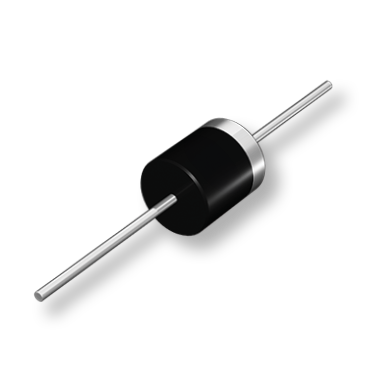
Fast recovery diodes are semiconductor components designed to stop conducting quickly when the voltage across them changes direction. Like standard rectifier diodes, they allow current to flow mainly in one direction. However, they are built to reduce the time needed to recover their blocking state after forward conduction. This behavior is important in circuits where electrical switches operate at high frequencies. When a diode takes too long to stop conducting, unwanted current can flow during switching, leading to extra power loss, heat, and electrical noise.
Fast recovery diodes help reduce these effects when selected and used correctly. Good-Ark fast recovery rectifiers provide options for engineers who need to balance switching speed, voltage handling, current capacity, and thermal performance. These characteristics make them useful in switched-mode power supplies, inverter circuits, DC-to-DC converters, and other power electronics systems where switching behavior affects overall performance.
Why Reverse Recovery Time Matters in High-Speed Circuits
Reverse recovery time is one of the most important specifications when choosing fast recovery diodes. It describes the time a diode needs to return to its reverse-blocking state after conducting forward current. During this transition, a brief reverse current may flow before the diode fully stops conducting. In high-speed switching circuits, a shorter recovery time can help reduce switching losses and limit unwanted current between circuit components. This can improve efficiency and support more predictable circuit operation, especially when switching frequency increases.
However, reverse recovery time is not the only factor that determines performance. The test conditions, forward current, reverse voltage, and circuit layout can all influence the results. Engineers comparing Good-Ark devices should review the published datasheet values under relevant operating conditions rather than relying on a single number. Choosing a suitable recovery speed can help designers manage energy loss, reduce heat generation, and achieve reliable switching without selecting a component that exceeds the actual needs of the application.
Key Electrical Specifications for Selecting Good-Ark Diodes
Selecting the right fast recovery diode requires a clear understanding of its electrical ratings. Reverse voltage indicates the maximum reverse voltage a device is designed to withstand under specified conditions. Engineers should choose a suitable rating with enough margin for expected voltage changes and circuit transients. Forward current describes the current the diode can carry while conducting, subject to the datasheet’s temperature and mounting conditions.
Forward voltage is another important value because it affects conduction losses. A lower forward voltage can reduce heat produced during current flow, although the best choice depends on the device’s other electrical characteristics. Reverse recovery time helps engineers assess switching behavior, while surge current ratings provide information about the diode’s ability to handle brief current peaks. Good-Ark fast recovery rectifiers can be compared using these specifications alongside package type and thermal limits. Reading the full datasheet helps ensure that a component meets the circuit’s electrical demands instead of relying on one specification alone.
Applications and Performance Benefits of Fast Recovery Rectifiers
Fast recovery rectifiers are used in many electronic systems that convert, control, or distribute electrical power. In switched-mode power supplies, they can support high-frequency rectification and help manage switching-related losses. In DC-to-DC converters, suitable recovery characteristics can improve the interaction between switching devices and rectifier components. In industrial equipment, inverters and motor control systems may also use fast recovery diodes where controlled current flow and efficient power conversion are important. These devices can help limit unwanted reverse current and reduce some sources of switching stress.
However, the actual benefit depends on the circuit design, operating frequency, current level, and cooling arrangement. Engineers must also consider electromagnetic interference, heat dissipation, and the characteristics of nearby components. Good-Ark provides a relevant catalog destination for comparing fast recovery diode options for these applications. Reviewing available package styles and electrical ratings can help designers narrow their choices and identify devices that fit their performance, space, and reliability requirements.
How to Choose and Integrate the Right Diode
A practical selection process begins with the circuit’s operating conditions. Engineers should identify the expected reverse voltage, average and peak forward current, switching frequency, and ambient temperature before comparing available devices. Next, they should review reverse recovery time and forward voltage to understand the trade-off between switching and conduction losses. Package size also matters because it affects board layout, heat transfer, and assembly requirements.
A diode with suitable electrical ratings may still perform poorly if its thermal environment is inadequate or its circuit connections introduce excessive parasitic inductance. Checking the manufacturer’s datasheet is therefore essential before finalizing a design. Designers should also evaluate voltage spikes, current surges, and operating conditions that may differ from normal use. Good-Ark’s fast recovery rectifier category can help engineers compare these characteristics in a structured way. Careful testing under realistic conditions can then confirm that the selected device delivers the required switching performance, thermal stability, and long-term reliability.
Conclusion
Fast recovery diodes are important components in high-speed power electronics because they help circuits transition efficiently between conducting and blocking states. Their reverse recovery time, forward voltage, current rating, and reverse voltage capability all influence how well they perform in a specific application. Selecting the right device requires more than choosing the fastest available option. Engineers must consider operating conditions, thermal limits, package requirements, and the balance between switching and conduction losses.
Good-Ark fast recovery rectifiers give designers a useful starting point for comparing devices and identifying options that meet their technical requirements. By reviewing datasheets carefully and testing components in the intended circuit, engineers can make better-informed decisions about efficiency, reliability, and performance. As electronic systems continue to demand faster switching and more effective power conversion, choosing suitable rectifier components remains an important step toward building dependable, high-performance designs.
