

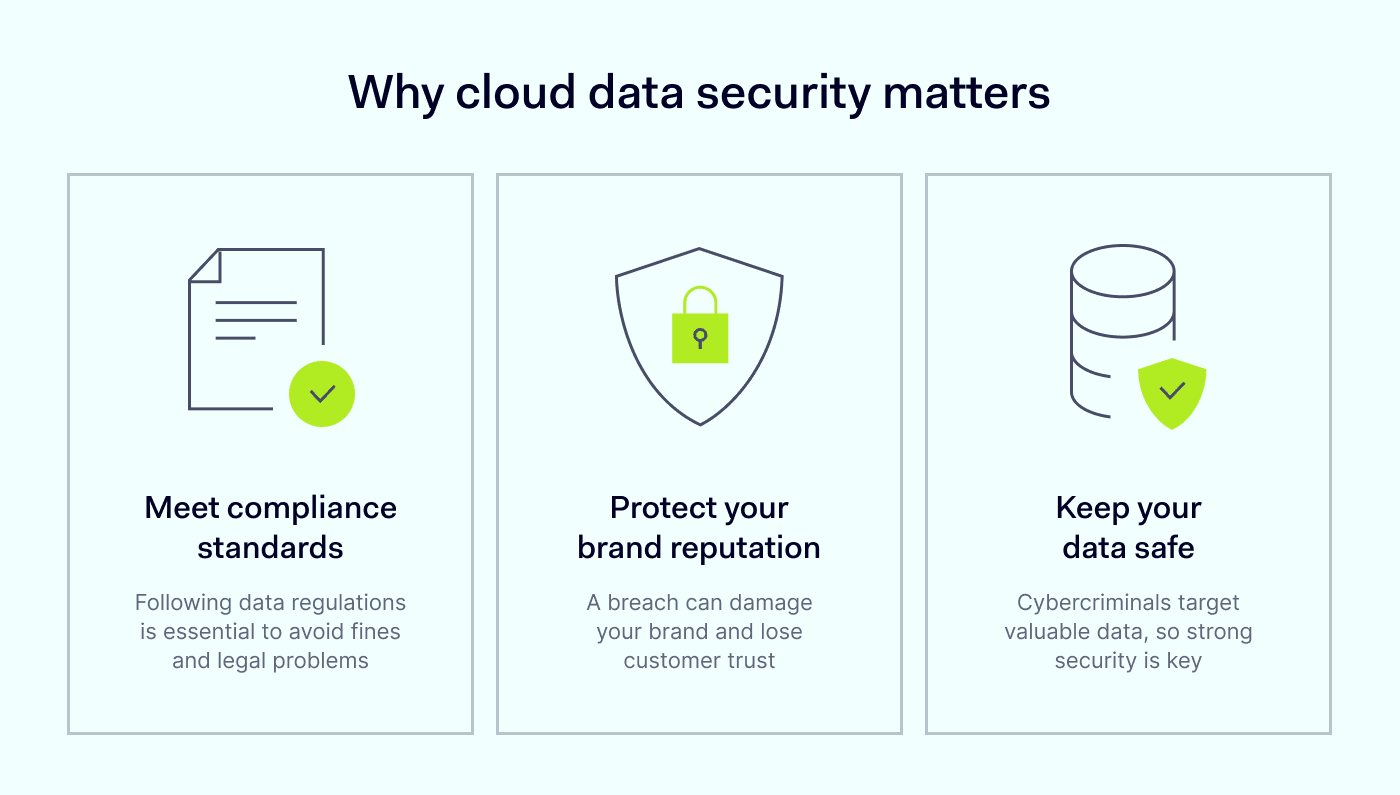
The migration of corporate memory from physical file cabinets to digital repositories hosted in off-premises data centers has revolutionized business efficiency but complicated data stewardship. When information resides on servers owned by third parties and is accessed via the public internet, the traditional concept of locking the front door no longer applies.
Protecting this dispersed data requires a comprehensive strategy that combines legal frameworks, advanced cryptographic technologies, and rigorous identity management. Companies must now assume that the network is hostile and build defenses that travel with the data itself, ensuring confidentiality and integrity regardless of where the file physically sits.
The Shared Responsibility Framework
The foundation of off-premises data protection is the understanding that security is a partnership, not a service feature. In the “Shared Responsibility Model,” the cloud provider guarantees the security of the cloud, meaning the physical data centers, cooling systems, and the hardware racks. The customer, however, retains full responsibility for security in the cloud, which includes the operating systems, firewall configurations, and most importantly, the data itself.
Misunderstanding this division is a primary source of data leaks. Organizations often mistakenly believe their provider is handling backups or encryption by default. To counter this, savvy enterprises implement strict governance policies that clearly outline who is responsible for what. This ensures that while Amazon or Microsoft guards the building, the company’s internal IT team actively locks the digital rooms and manages the keys.
Encryption as the Ultimate Shield
Because data stored online traverses public networks, it is theoretically susceptible to interception at multiple points. To mitigate this, companies rely on pervasive encryption. This process scrambles data into an unreadable ciphertext that can only be unlocked with a specific cryptographic key.
Effective protection strategies require understanding what is cloud security and how it protects data online through a dual-state encryption approach. Data must be encrypted “at rest” while stored on the storage drive and “in transit” while being transferred between the user and the server. This ensures that even if a hacker manages to physically steal a hard drive from a data center or tap into the fiber optic cables, the information they acquire remains mathematically useless without the decryption keys.
Identity and Access Management (IAM)
In an environment without physical walls, a user’s digital identity becomes the primary perimeter. If an attacker steals a valid username and password, they can bypass most network defenses. Companies protect against this by implementing rigorous Identity and Access Management (IAM) systems.
- Multi-Factor Authentication (MFA): requiring a second form of verification, such as a code on a phone, making stolen passwords alone insufficient for access.
- Least Privilege: ensuring employees only have access to the specific files they need for their job, reducing the potential damage if their account is compromised.
- Single Sign-On (SSO): centralizing login procedures so that if an employee leaves the company, their access to all off-premises platforms can be revoked with a single click.
Data Loss Prevention (DLP) Technologies
Accidental data leaks are as dangerous as malicious attacks. A well-meaning employee might upload a sensitive customer list to a personal storage account or paste proprietary code into a public forum. Data Loss Prevention (DLP) tools are designed to stop these unforced errors.
DLP software scans data streams in real-time, looking for sensitive patterns like credit card numbers, social security numbers, or internal classification tags. If a policy violation is detected, the tool automatically blocks the transfer and alerts the security team. This technology acts as a guardrail, allowing employees to collaborate freely while preventing critical intellectual property from leaving the sanctioned environment. (The Institute of Electrical and Electronics Engineers (IEEE) frequently publishes technical standards and research on the evolution of these data protection algorithms).
Redundancy and Disaster Recovery
Protecting data is not just about secrecy; it is also about availability. Off-premises storage offers a unique advantage in this area through geographic redundancy. Companies replicate their data across multiple data centers located in different regions or continents.
This strategy ensures that a natural disaster, power outage, or cyberattack affecting one facility does not result in permanent data loss or compromise. If the primary data center goes offline, the system automatically fails over to the secondary site with minimal interruption. This resilience is often tested through rigorous disaster recovery drills, ensuring that the company can quickly and reliably restore its digital memory from these off-site backups.
Continuous Compliance Auditing
For many industries, protecting data is a legal requirement enforced by regulators. Companies must demonstrate that their off-premises storage meets stringent standards, such as those outlined in GDPR, HIPAA, or PCI-DSS. This requires continuous auditing of the cloud environment.
Automated compliance tools continuously scan the infrastructure, checking for misconfigurations such as unencrypted storage buckets or weak password policies. These tools generate reports that prove to auditors that security controls are active and effective. By automating this verification, companies ensure that their data protection posture remains consistent even as their digital footprint expands and changes. The Information Systems Audit and Control Association (ISACA) provides globally recognized certifications and frameworks for auditing these information systems.
Conclusion
Protecting data stored online and off-premises requires a shift from static defense to dynamic governance. It involves a layered approach where strong encryption renders the data unreadable to thieves, strict identity controls ensure only authorized users can unlock it, and redundancy guarantees it survives physical catastrophes. By embracing these strategies and understanding the shared nature of cloud security, companies can confidently utilize the power of remote storage without compromising the safety of their most valuable digital assets.
Frequently Asked Questions (FAQ)
1. What is the “Shared Responsibility Model”?
It is a security framework where the cloud provider manages the security of the physical infrastructure, while the customer is responsible for securing the data, applications, and access controls within that infrastructure.
2. Why is Multi-Factor Authentication (MFA) critical for online data?
Because online services are accessible from anywhere, a stolen password allows a hacker instant access. MFA adds a second layer of security, similar to a phone code, which prevents the hacker from gaining access even if they have the password.
3. Does deleting a file from the cloud remove it forever?
Not always instantly. Most providers keep deleted files in a “trash” or archive state for a set period (like 30 days) to allow for recovery. To permanently remove data, specific “crypto-shredding” or secure deletion commands are often required.
