

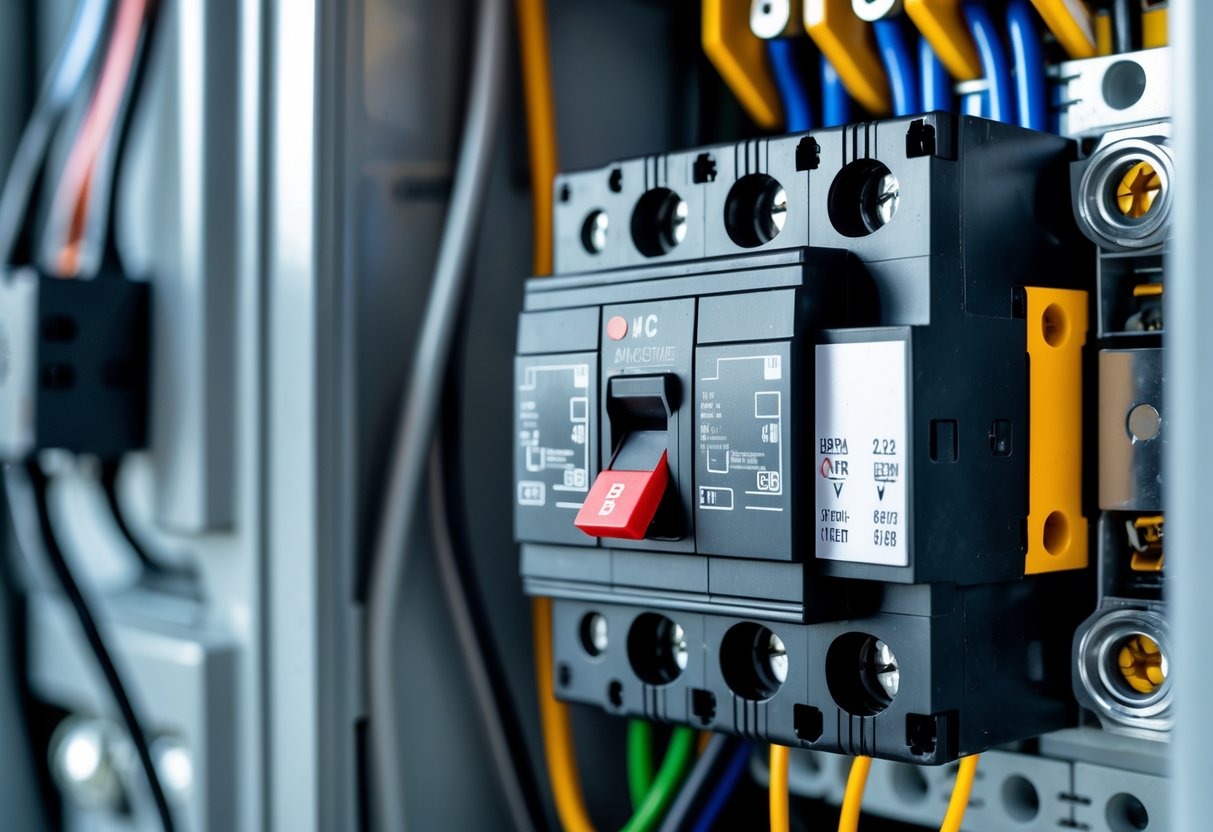
A Miniature Circuit Breaker (MCB) is an essential safety device in electrical systems. It automatically switches off the electrical circuit when it detects an overload or short circuit, protecting both wiring and appliances from potential damage. This automatic operation makes MCBs a preferred choice over traditional fuses in modern electrical setups.
The design of an MCB allows it to react quickly to changes in electrical flow, providing a reliable means of preventing fire hazards and equipment failures. Its clear operational mechanism makes it user-friendly and easy to reset after a trip, ensuring minimal disruptions to power supply. Understanding how MCBs function and their advantages over fuses can help individuals make informed choices for their electrical needs.
What Is MCB? Definition and Core Functions
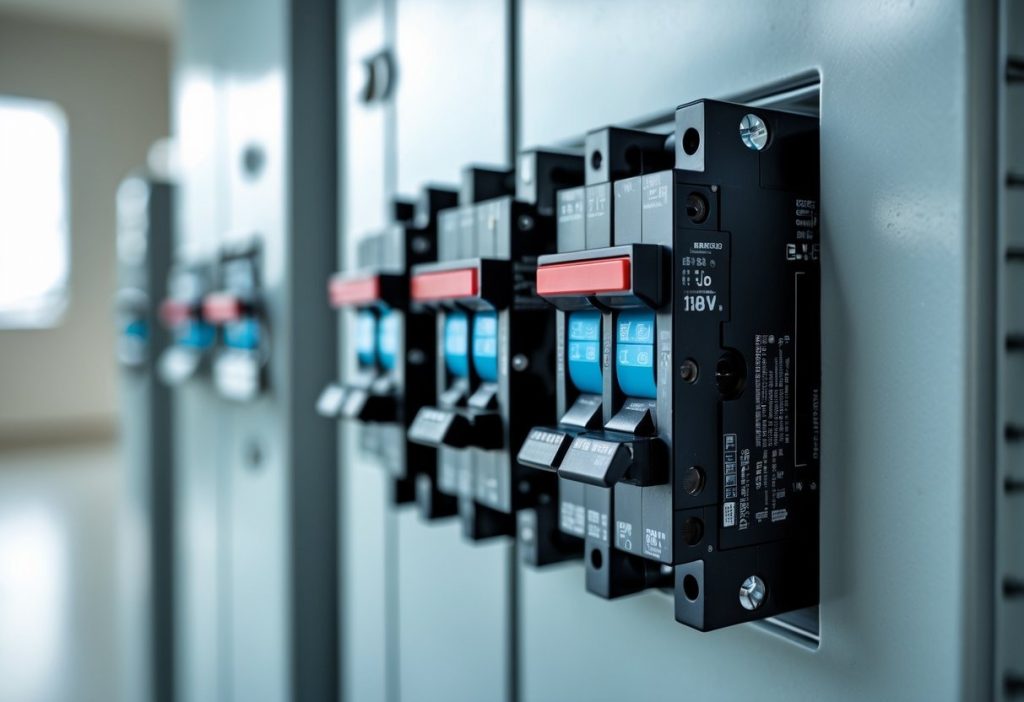
A Miniature Circuit Breaker (MCB) is a vital component in electrical systems, designed to provide protection against faults like overloads and short circuits. Its key functions focus on ensuring electrical safety, monitoring current flow, and quickly interrupting circuits when necessary. This section uncovers the meaning of MCB, its role in promoting safety, and how it reacts to dangerous conditions.
MCB Meaning and Full Form
MCB stands for “Miniature Circuit Breaker.” It is an automatic switch that protects electrical circuits from damage caused by excessive current. MCBs are employed in many electrical systems, ranging from residential to commercial settings. Unlike fuses, which can only be replaced after blowing, MCBs can be quickly reset after tripping. These devices are typically rated to carry currents from 0.5 A to 125 A, making them suitable for various low-voltage applications. Their compact design allows for easy installation in distribution boards, ensuring efficient use of space and effective circuit protection.
Fundamental Role in Electrical Safety
The primary function of an MCB is to ensure electrical safety by automatically disconnecting the power supply in case of overloads or short circuits. This helps prevent damage to appliances and reduces the risk of electrical fires. MCBs are more reliable than traditional fuses due to their quick response time and ability to reset without needing a replacement. They contain a trip mechanism, which activates when the current exceeds a set limit, providing overcurrent protection. This responsiveness is crucial for minimizing risks associated with electrical faults and maintaining the integrity of electrical systems.
How MCBs Respond to Overcurrent and Short Circuits
MCBs operate using two distinct mechanisms to detect faults: thermal and electromagnetic.
- Thermal Mechanism: This mechanism utilizes a bimetallic strip that bends when exposed to excessive current. The heating effect from the overload causes the strip to flex, triggering the switch to open and disconnect the circuit.
- Electromagnetic Mechanism: In the event of a short circuit, a sudden rise in current generates a magnetic field strong enough to instantaneously move a plunger. This action releases a latch that opens the circuit, preventing damage.
Together, these mechanisms ensure effective short-circuit protection and overcurrent protection, making MCBs essential in modern electrical circuit design. Their swift action helps maintain safety and reliability in electrical systems.
How Does an MCB Work? Mechanisms and Components
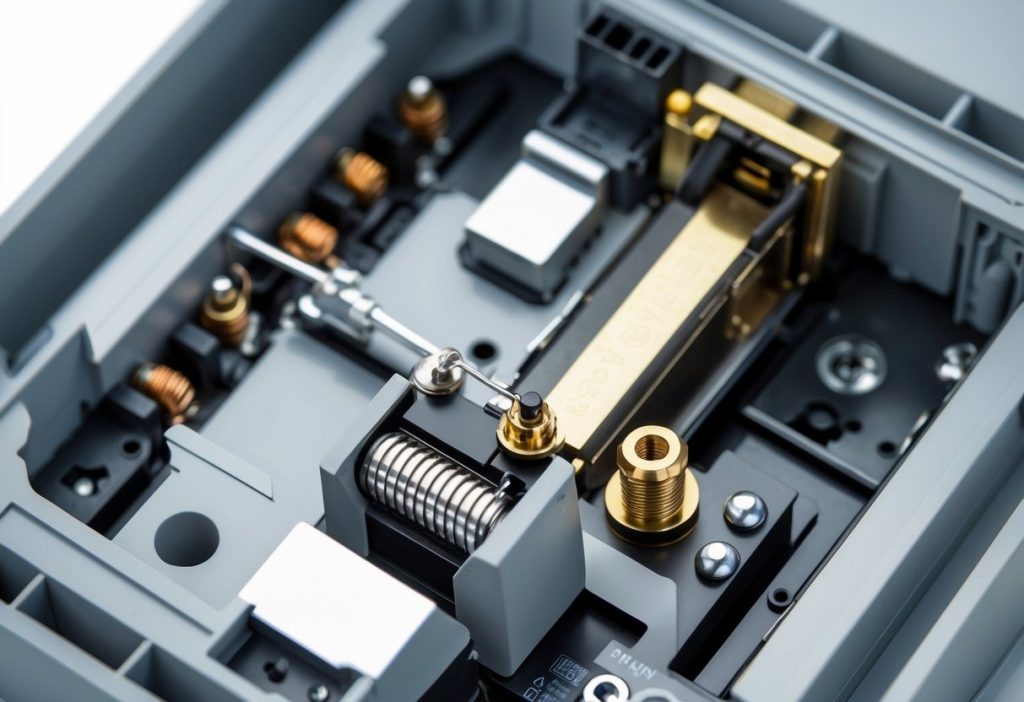
MCBs, or miniature circuit breakers, utilize different mechanisms to detect electrical faults and protect circuits. Understanding these components can clarify how MCBs function effectively to prevent damage and enhance safety in electrical systems.
Thermal Mechanism and Bimetallic Strip
The thermal mechanism in an MCB primarily relies on the bimetallic strip. This strip consists of two metals that expand at different rates. When high current flows through the strip, it heats up and bends due to the thermal expansion of the metals.
- Function: As the temperature exceeds a certain threshold, the bending of the strip triggers the trip unit to disconnect the circuit.
- Thermal Trip Sensitivity: This mechanism is sensitive to sustained overloads, allowing it to break the circuit before overheating causes damage.
This operation ensures the MCB responds gradually to overloads, making it essential for protecting appliances over time and avoiding abrupt interruptions.
Magnetic Mechanism and Electromagnet Function
The magnetic mechanism is designed to respond instantly to short circuits. It utilizes an electromagnet, which generates a magnetic field when excessive current passes through the MCB.
- Electromagnetic Coil: This coil is a crucial part of the system, acting quickly to engage the tripping mechanism.
- Magnetic Trip Action: In a short circuit scenario, the strong magnetic field produced easily activates the trip unit, isolating the faulty circuit almost immediately.
This rapid response is vital because it minimizes potential damage and ensures safety in the electrical system.
Tripping Action and Arc Extinguishing
When an MCB trips, it not only disconnects the circuit but also manages the resulting electrical arc that occurs when contacts separate. The tripping action is often assisted by a trip spring that ensures a swift disengagement of the contacts.
- Arc Chute Functionality: The arc chute—sometimes referred to as an arc runner—helps extinguish this arc quickly. Using parallel plates, it creates cooling conditions that lower the temperature and eliminate the arc.
- Arc Splitting: This design is essential for preventing further heating and potential fires or equipment damage.
The efficient extinguishing of arcs is a critical factor in maintaining the safety and functionality of electrical installations.
Trip Unit, Reset, and Visual Indicators
The trip unit is the heart of the MCB, integrating both thermal and magnetic mechanisms for fault detection. It is responsible for the overall operation of the MCB and features various design elements to enhance its utility.
- Resetting Process: After tripping, an MCB can be reset manually or automatically, allowing users to restore power without replacing components.
- Visual Indicators: Many MCBs come equipped with trip indicators that signal when a fault has occurred. This feature, along with auxiliary contacts, provides insights into the operational status of the MCB.
The design and function of the trip unit, along with indicators, enhance user experience and maintenance accessibility.
Types of MCBs and Tripping Characteristics
Miniature Circuit Breakers (MCBs) come in various types, each designed for specific applications and tripping characteristics. Understanding these differences helps in selecting the right MCB for any electrical system.
Common MCB Types and Trip Curves
There are several common types of MCBs, each with unique trip curves based on their characteristics:
- Type A MCB: Trips between 2 to 3 times the rated current. It is used for sensitive devices.
- Type B MCB: Trips between 3 to 5 times the rated current. Ideal for lighting circuits and protecting electronics.
- Type C MCB: Trips between 5 to 10 times the rated current. Suitable for residential and commercial loads, especially where motors are used.
- Type D MCB: Trips above 10 times the rated current, making it ideal for inductive loads with high starting currents.
- Type K MCB: Trips between 8 to 12 times the rated current, often used for applications with high inrush currents.
- Type Z MCB: Trips at 2 to 3 times the rated current, highly sensitive, suited for semiconductor protection.
Each type is characterized by different thermal and magnetic trip responses, allowing users to tailor protection for various applications.
Application-Based Selection of MCB Types
Choosing the right MCB depends on the intended application. Here are some guidelines for selection:
- For lighting circuits, Type B or C is often suitable.
- For circuits with motors, Type C is common due to its ability to handle higher inrush currents without nuisance tripping.
- In industrial settings, Type D or K is favored for equipment that experiences high starting currents.
- Type A and Z MCBs are used for sensitive electronics, providing prompt disconnection during faults.
Making the right choice ensures optimal safety and performance in electrical systems.
Specialized and Hybrid MCBs
Apart from the standard types, there are specialized and hybrid MCBs that serve additional functions:
- Electronic MCBs offer advanced features like adjustable settings and better selectivity.
- Differential MCBs combine overcurrent and earth fault protection for enhanced safety.
- Isolation MCBs are designed to disconnect circuits safely during maintenance.
These specialized breakers help address specific requirements and improve the reliability of electrical installations. Their design caters to unique environments where traditional MCBs may not suffice.
MCB Ratings, Configurations, and Selection Criteria
Understanding MCB ratings and configurations is essential for selecting the right device for specific electrical systems. This section covers the important aspects of rated current, configurations, and key selection criteria that impact electrical safety and performance.
Rated Current and Short Circuit Capacity
The rated current, or the maximum current an MCB can handle under normal conditions, is crucial. It is often defined as the load current that the circuit can safely carry without tripping. If the load current exceeds this rating, the MCB trips to prevent damage.
The short circuit capacity indicates the maximum short circuit current that the MCB can safely interrupt without failure. It is expressed in kiloamperes (kA). Selecting an MCB with an appropriate short circuit rating ensures it can handle the high fault currents during electrical surges, safeguarding the system from potential hazards.
Single-Pole, Double-Pole, and Multi-Pole Designs
MCBs come in various configurations, primarily:
- Single-Pole MCB: Designed for single-phase circuits. It protects one circuit and is suitable for general household applications.
- Double-Pole MCB: Protects a single-phase circuit by disconnecting both the live and neutral wires. This is essential for circuits that require a higher level of safety.
- Multi-Pole MCB: Used in three-phase systems, available in three-pole and four-pole configurations. It connects to multiple circuits, making it ideal for industrial electrical panels where safeguarding multiple phases is necessary.
Choosing the right configuration depends on the type of electrical load and distribution requirements.
Key Parameters for Choosing an MCB
When selecting an MCB, several key parameters are vital:
- Current Rating: The MCB should match or slightly exceed the expected load current for safe operation.
- Breaking Capacity: This defines how well the MCB can interrupt a fault. It needs to be higher than the potential short circuit current in the circuit.
- Utilization Category: This relates to how the MCB is used, considering factors like load type and switching frequency.
- Environmental Conditions: Outdoor installations may require devices with weatherproof features to withstand humidity and temperature variations.
These factors help ensure the MCB provides reliable protection against overloads and short circuits.
Installation in Distribution Boards and Panels
Proper installation of MCBs in distribution boards and electrical panels is critical. MCBs should be mounted securely with correct wiring to ensure effective operation.
- Separation of circuits: It is advisable to group circuits based on their application to avoid overloading a single MCB.
- Labeling: Clear labeling for each circuit helps in easy identification, especially during maintenance.
- Compliance with local codes: Following local safety standards and regulations is essential for legal and safety compliance.
A well-installed MCB setup contributes significantly to the overall safety and efficiency of the electrical system.
MCB vs. Fuse vs. Other Circuit Breakers
Understanding the differences between MCBs (Miniature Circuit Breakers), fuses, and other circuit breakers is vital for selecting the right device for electrical protection. These devices serve similar purposes but operate differently and offer unique advantages.
Differences in Operation and Protection
The operation of MCBs and fuses varies significantly. Fuses consist of a thin wire that melts under excessive current, breaking the circuit. This one-time use device must be replaced after blowing. In contrast, MCBs can be reset after tripping, allowing for quicker restoration of service after a fault.
- Fuses:
- One-time operation
- Slower response times for overloads
- MCBs:
- Resettable
- Faster tripping for short circuits
Other types of circuit breakers, like MCCBs (Molded Case Circuit Breakers), offer adjustable trip settings for different load conditions. RCDs (Residual Current Devices) detect earth faults and cut off power to prevent electric shocks, which is not a function of fuses or standard MCBs. Different devices serve distinctive roles based on the protection needed.
Advantages of MCBs over Fuses
MCBs provide several advantages compared to traditional fuses. Primarily, MCBs are resettable, leading to lower maintenance costs and reduced downtime. Once tripped, they can be turned back on without the need for replacement parts. This flexibility suits environments where faults may occur frequently.
Moreover, MCBs often provide more accurate protection. They come with different trip curves (B, C, D types) tailored to various loads, ensuring sensitive equipment is not subjected to nuisance trips.
Additionally, MCBs contribute to safety by avoiding common replacement errors associated with fuses. Improper fuse ratings can lead to equipment damage or fire hazards. With MCBs, the risk of human error during installation or replacement is minimized.
Comparison With MCCB, RCD, RCCB, and RCBO
When comparing MCBs to MCCBs, RCDs, RCCBs (Residual Current Circuit Breakers), and RCBOs (Residual Current Circuit Breaker with Overcurrent Protection), each has unique functionalities.
- MCCB: Suited for higher current applications with adjustable settings. They protect against overload and short-circuit conditions but are larger and more costly.
- RCD/RCCB: Focus on protection from earth faults. They cut power when a leakage current is detected, which does not occur with standard MCBs.
- RCBO: Combines the functions of MCB and RCD. They offer overcurrent protection along with residual current protection in a single device.
Each type plays a crucial role in safety and system reliability, making them essential in modern electrical installations.
Applications and Real-World Use Cases
Miniature Circuit Breakers (MCBs) play a vital role in various settings, protecting electrical systems from damage while enhancing safety. Their applications span residential to industrial areas, providing essential safeguards against electrical faults and overloads.
Residential, Commercial, and Industrial Uses
In residential settings, MCBs protect lighting circuits and household appliances. They are designed to trip during overloads, preventing damage to devices such as refrigerators, washing machines, and entertainment systems.
In commercial buildings, MCBs are key for ensuring that electrical circuits, which support lighting systems and office equipment, are safe and operational. They help maintain continuity in day-to-day activities by resetting easily after tripping.
In industrial environments, MCBs protect heavy machinery and equipment in electrical systems where demands are greater. By managing high inrush currents and potential overloads, these devices ensure operational efficiency and safety for heavy machinery used in manufacturing.
Protection for Lighting Circuits and Electrical Equipment
MCBs play a crucial role in protecting lighting circuits and various electrical equipment. In homes and offices, they safeguard against overloads that can damage lighting fixtures and power tools.
For example, circuits handling multiple light sources or complex electronic equipment benefit significantly from MCBs. They prevent circuit overloads, which can lead to burnt-out components or equipment failure.
Additionally, in industrial applications, MCBs protect against sudden surges that could compromise sophisticated machinery. By automatically disconnecting power in such situations, MCBs help maintain the integrity of vital electrical equipment.
Role in Preventing Electrical Fires and Faults
The primary function of MCBs is to prevent electrical fires and faults. When an electrical fault occurs, such as a short circuit or significant overload, MCBs react quickly to interrupt the flow of electricity.
This rapid response is crucial in stopping potential fires from starting due to overheating wires or malfunctioning devices. Regularly installed in homes, offices, and factories, MCBs enhance overall safety by reducing the risk of electrical hazards.
Their ability to reset automatically after a trip eliminates the need for fuse replacements, making them both user-friendly and effective. Proper installation and maintenance of MCBs are essential to ensure ongoing protection from electrical fires and faults.
For more details and to explore their full range of offerings, customers can visit the Gabby Electric. This platform is designed to meet the needs of various electrical applications effectively.
