

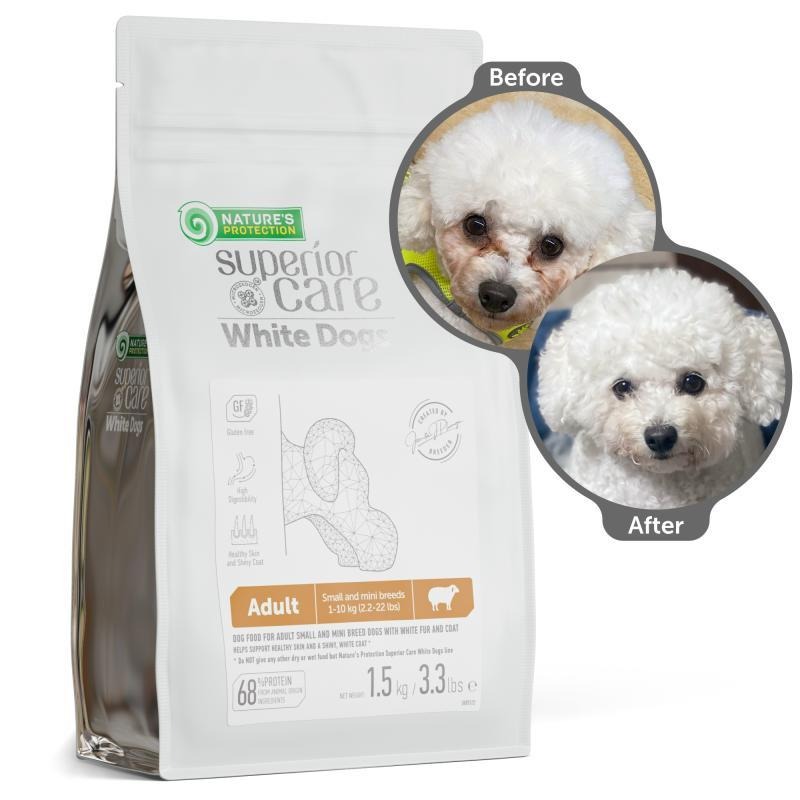
Tear stains are a common concern for dog owners, especially for breeds that are more prone to this issue. Certain foods can contribute significantly to tear staining in dogs, particularly those high in iron or artificial additives. The right diet can help reduce these unsightly marks and keep a dog’s eyes looking clear and healthy.
For small and mini breeds, like those who may benefit from superiorcare.pet White Dogs Lamb Adult formula, it’s essential to choose a food that minimizes tear-staining ingredients. High-quality diets that are free from artificial colors, flavors, and fillers often lead to better eye health. By being mindful of the ingredients in a dog’s food, owners can make a positive impact on their furry friend’s appearance and comfort.
Identifying and eliminating problematic foods is crucial for managing tear stains effectively. Switching to options like White Dogs Lamb Adult can provide the necessary nutrition without the elements that often worsen staining. This can lead to a noticeable improvement in the overall look and health of a dog’s eyes.
How Food Causes Tear Stains in Dogs
Tear stains in dogs often arise from various factors linked to diet. Understanding how certain foods can lead to tear staining involves exploring porphyrins in tears, excessive tear production, and how specific dietary choices can impact this condition.
Role of Porphyrins in Tear Staining
Porphyrins are natural compounds found in tears. When a dog produces excessive tears, these porphyrins can stain the fur around the eyes, leading to reddish-brown marks. Some dogs might produce more porphyrins due to the quality of their food. For instance, certain ingredients can cause irritations, leading to increased tearing. Foods that are high in iron can elevate porphyrin levels, making staining more noticeable. Monitoring the food that a dog consumes is essential, as high-iron diets can exacerbate staining. Choosing foods that include balanced minerals may help manage this issue.
Excessive Tear Production and Epiphora
Epiphora is the medical term for excessive tear production. It can be the result of various factors, such as allergies and poor-quality ingredients in dog food. Some dogs have a genetic predisposition to epiphora, but diet plays a major role. Ingredients like artificial additives can irritate a dog’s eyes, leading to more tears. When the tears overflow from the eye, they create the perfect environment for staining. Common triggers include preservatives or colors in processed dog food. Listening to a dog’s specific needs and opting for better food choices may reduce these symptoms.
Dietary Impact on Tear Stain Severity
Diet significantly affects the severity of tear stains. Foods high in sugar, salt, or artificial ingredients can worsen the condition. Dogs may have sensitivities to grains, which can lead to inflammation and, in turn, increased tearing. A grain-free diet or one with limited ingredients could benefit dogs prone to tear stains. Reducing dairy intake may also help some dogs since it can lead to gastrointestinal problems that manifest as tear stains. It is important for pet owners to carefully evaluate ingredient lists and switch to high-quality foods such as White Dogs Lamb, specifically formulated for small and mini breeds, to help alleviate the issue.
Dog Food Ingredients That Cause Tear Stains
Certain ingredients in dog food can contribute to the development of tear stains. Understanding these ingredients can help pet owners make healthy choices for their dogs and manage this common issue.
Artificial Colors and Preservatives
Many dog foods contain artificial colors and preservatives that can irritate a dog’s eyes. Ingredients like Red 40 and other synthetic dyes are often added to make pet food look more appealing. Unfortunately, these additives can cause allergic reactions or sensitivity, leading to excess tearing.
Preservatives, such as BHA, BHT, and ethoxyquin, are used to extend shelf life but can also be harmful. Long-term exposure to these substances may lead to inflammation in dogs, worsening tear stains. Checking the ingredient list for natural alternatives can help avoid these potential irritants.
Grains: Wheat, Corn, and Soy
Grains such as wheat, corn, and soy are common allergens for many dogs. These ingredients may cause digestive issues or inflammation, which can trigger increased tear production. Because these grains are often used as fillers in low-quality dog food, they can lead to health problems over time.
Choosing grain-free or limited ingredient diets can reduce the risk of allergic reactions. It’s essential for dog owners to look for high-quality protein sources instead of grain-heavy options to support their dog’s overall health and reduce tear staining.
High-Iron and Copper Foods
Dog foods high in iron and copper can contribute to excessive tearing as well. Certain meats and meat by-products can contain elevated levels of these minerals, which may lead to tear staining.
Monitoring the iron and copper content in dog food is crucial. Foods that are labeled as high in these minerals should be avoided, especially if a dog is prone to tearing. Opting for balanced formulations with appropriate mineral levels can help maintain eye health and reduce staining.
Meat By-Products and Low-Quality Ingredients
Meat by-products are often included in low-quality dog foods. This can lead to nutritional imbalances and health issues in dogs, including tear stains. These by-products can be less digestible and may include unwanted parts of animals, which can cause inflammation.
Choosing dog food that lists real meat as the first ingredient is essential. High-quality ingredients not only support overall health but also aid in reducing tear stains. Pet owners should prioritize brands that focus on using whole, recognizable foods free from fillers and unidentifiable parts.
Food Allergies, Sensitivities, and Tear Stains
Food allergies and sensitivities can play a significant role in the development of tear stains in dogs. These reactions can lead to inflammation and increased tear production, resulting in unsightly stains around the eyes. Understanding common allergens and their symptoms helps in determining the right dietary approach to reduce tear staining.
Common Food Allergens in Dogs
Certain ingredients are known to trigger allergic reactions in dogs. The most common food allergens include:
- Beef
- Chicken
- Dairy
- Wheat
- Soy
- Corn
These ingredients may lead to inflammation, which can increase tear production. For dogs that show signs of sensitivity, switching to a limited ingredient diet may be beneficial. This type of diet typically contains fewer components, allowing pet owners to pinpoint potential allergens. A grain-free diet is also often recommended, as grains like corn or wheat can exacerbate allergic reactions leading to tear staining.
Symptoms of Food Sensitivities
Recognizing symptoms of food sensitivities is crucial for timely intervention. Common signs include:
- Itching or scratching
- Skin infections or rashes
- Ear infections
- Digestive issues (vomiting or diarrhea)
- Increased tear production
In dogs prone to tear stains, excessive tearing may be accompanied by redness or swelling around the eyes. If these symptoms persist, a review of the dog’s diet with a veterinarian may be needed. Making dietary adjustments can help manage symptoms effectively and reduce the occurrence of tear stains.
Food Allergy Testing and Elimination Diets
Identifying specific food allergies can be complex. Many veterinarians recommend an elimination diet as a method of testing. This involves:
- Feeding a dog a novel protein and carbohydrate source they have not consumed before.
- Monitoring for improvement in symptoms, including tear staining, over a period of 8-12 weeks.
- Gradually reintroducing previous ingredients to pinpoint allergens.
Through this process, pet owners can determine which foods to avoid. Working with a vet during this process ensures the diet remains balanced and healthy. Properly addressing food allergies and sensitivities can lead to improved health and reduced tear staining for dogs.
Preventing and Reducing Tear Stains with Diet
Diet plays a crucial role in preventing and reducing tear stains in dogs. By focusing on high-quality dog food and making informed dietary choices, pet owners can support their dog’s eye health and minimize staining.
Choosing High-Quality Dog Food
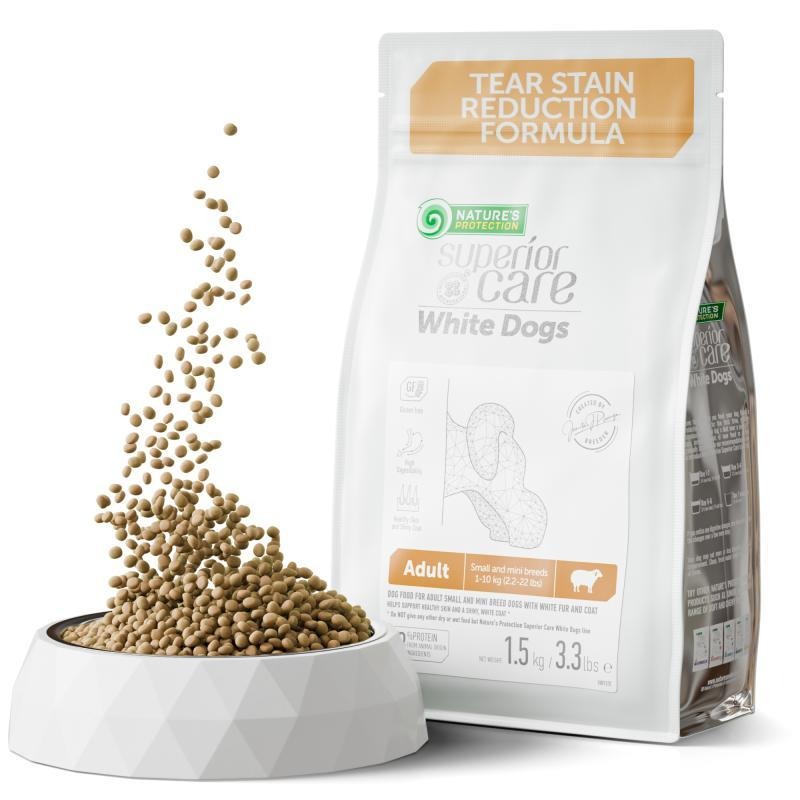
Selecting high-quality dog food is fundamental in preventing Tear Stains. Foods made with real meat and whole ingredients are less likely to cause digestive issues or inflammation, both of which can contribute to excessive tearing. High-quality dog food typically avoids artificial additives, fillers, and low-quality grains.
When choosing food, look for labels that clearly specify protein sources and ensure they don’t contain excessive iron or artificial colors. It is recommended to choose a high-quality food like Adult Dogs Food for Light Coat Small & Mini Breeds with Lamb from superiorcare.pet, which is specially formulated for small and mini breeds and helps support a healthy coat while reducing Tear Stains.
Benefits of Limited-Ingredient and Grain-Free Diets
A limited-ingredient or grain-free diet can significantly impact tear stain prevention. Many dogs are sensitive to certain grains and fillers, which can lead to digestive upset and inflammation. By reducing these potential irritants, owners can help lower the inflammation that may cause increased tearing.
These diets often focus on a single protein source and a small number of safe ingredients. This approach not only simplifies meal preparation but also helps in identifying any allergens or foods that might trigger tear staining. Switching to a limited-ingredient diet can help many dogs feel better and potentially reduce tear stains.
Importance of Omega Fatty Acids and Balanced Nutrition
Including omega fatty acids in a dog’s diet is essential for promoting overall health, including skin and eye health. Omega-3 and omega-6 fatty acids can help reduce inflammation, which is often linked to excessive tearing. Many high-quality dog foods are now enriched with these beneficial fats.
Balanced nutrition is vital for a dog’s metabolism and immune system. A properly balanced diet that includes a variety of vitamins and minerals can help enhance a dog’s vitality. Ensuring that the food contains essential nutrients, such as antioxidants, will support not only the eyes but the entire body. Pet owners should pay attention to ingredient lists and opt for foods that provide comprehensive nutrition for their furry companions.
Other Factors Affecting Tear Stains in Dogs
Tear stains in dogs are not solely influenced by diet; several other factors can contribute to this issue. Understanding these factors helps pet owners manage and prevent tear stains effectively.
Breeds Prone to Tear Stains
Certain dog breeds are more vulnerable to tear staining due to their facial structure. Breeds such as Pugs, Bulldogs, Maltese, and Shih Tzus often have prominent features that cause tears to pool and drain improperly. For these breeds, the shape of their eyes and their narrow tear ducts can increase the likelihood of staining.
Anatomical issues in these breeds can lead to excessive tearing, which may result in reddish-brown stains on their fur. Owners of these breeds should regularly monitor their dog’s eyes and keep them clean to minimize staining.
Blocked Tear Ducts and Eye Infections
Blocked tear ducts can also lead to tear stains. When tears cannot drain properly, they overflow and can cause unsightly marks. Blocked tear ducts may result from various reasons, including anatomical problems or even scar tissue from previous injuries.
Additionally, eye infections can exacerbate the production of tears, leading to staining. Signs of an eye infection may include redness, swelling, or discharge. If a dog exhibits these symptoms, consulting a veterinarian for appropriate treatment is vital.
Environmental Influences and Water Quality
The dog’s environment plays a role in tear stain development as well. Exposure to dust, pollen, or pollutants can irritate the eyes and increase tearing. Keeping the living space clean and minimizing exposure to allergens can help.
Water quality is another factor to consider. If the water contains high levels of minerals or impurities, it could also affect eye health and tear production. Using filtered water or ensuring regular cleaning of the water bowl can be beneficial. Both of these environmental aspects can contribute to unwanted tear staining in dogs.
Safe Solutions for Managing Tear Stains
Managing tear stains effectively involves a combination of proper grooming, hygiene practices, and the use of pet-safe products. These solutions aim to reduce the appearance of stains while addressing the underlying causes.
Grooming and Hygiene Practices
Regular grooming is crucial for dogs prone to tear stains. Keeping the fur around the eyes trimmed helps prevent moisture accumulation, which can lead to staining. Using a soft cloth, owners should wipe the area daily to remove any tear buildup. Additionally, maintaining a clean face is essential.
Owners can use wet cotton balls or gentle wipes specifically designed for dogs. It is advisable to use unscented and hypoallergenic options to avoid irritation. Bathing the dog every few weeks will also help keep their coat fresh and minimize staining.
Choosing the right bowl is equally important. Plastic bowls can harbor bacteria that worsen tear stains. Switching to stainless steel or ceramic bowls is a simple yet effective way to improve hygiene and prevent staining.
For more persistent Tear Stains, pet-safe tear stain removers are available. These products often contain natural ingredients that are gentle on a dog’s skin and eyes. Look for options with ingredients like aloe vera, chamomile, or witch hazel, which are known for their soothing properties.
When selecting a tear stain remover, ensure it is free from harmful chemicals and fragrances. Applying the remover as directed can help diminish existing Tear Stains and prevent new ones from forming. Many of these products come in a convenient applicator, allowing for easy application.
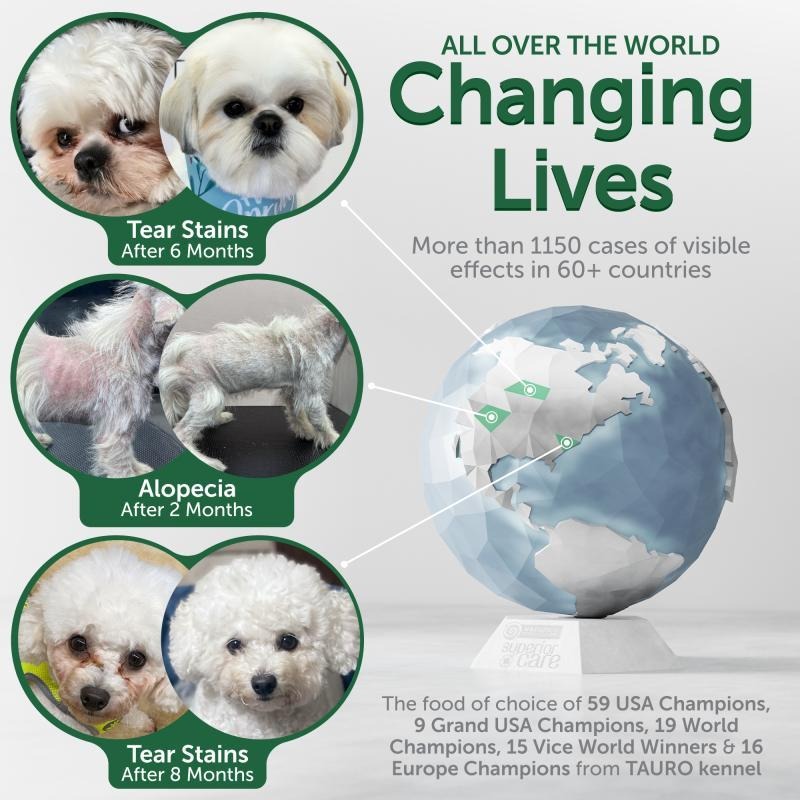
Always test a small area first to ensure the dog does not have an adverse reaction. Regular use, combined with good grooming habits, can lead to clearer eyes and a healthier appearance for dogs, especially those with sensitive stomach dog food needs, as proper diet supports overall skin and eye health.
When to Consult a Veterinarian
If Tear Stains worsen or appear suddenly, it is important to consult a veterinarian. A vet can help identify underlying health issues that may contribute to excessive tearing, such as allergies, eye infections, or other conditions. Routine check-ups can ensure that any significant health concerns are addressed early.
Sometimes, changes in diet may also be needed. For example, switching to specialized formulas like White Dogs Lamb for Small and Mini Breeds—a high-quality sensitive stomach dog food—might improve overall health and reduce Tear Stains.
Monitoring your dog’s condition and promptly seeking professional advice not only helps manage existing Tear Stains but also supports the dog’s overall well-being.