

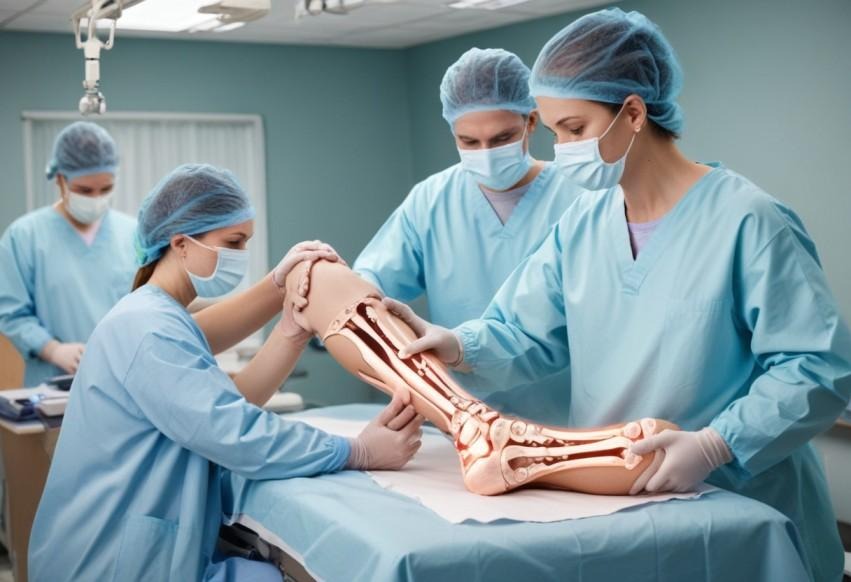
Orthopedic care focuses on the musculoskeletal system, including the bones, joints, muscles, ligaments, tendons, and nerves that support movement. Whether due to injury, degenerative conditions, or congenital issues, orthopedic problems can significantly affect quality of life.
Choosing an orthopedic hospital with advanced technology and comprehensive rehabilitation facilities improves treatment precision, enhances recovery, and helps patients regain mobility with fewer complications. Technology plays an essential role in diagnosis, surgery, and rehabilitation, and patients benefit when care is coordinated under one roof.
The Role of Technology in Modern Orthopedic Care
Modern orthopedic hospitals are transforming patient care through advanced technology. These innovations enhance accuracy, minimize surgical trauma, and support personalized treatment strategies.
Advanced Imaging Technologies
High-quality imaging is important for diagnosing orthopedic conditions accurately. Facilities commonly include:
- MRI (Magnetic Resonance Imaging): Detailed images of soft tissues, cartilage, and nerves
- CT (Computed Tomography): 3D views for complex bone structure assessment
- Digital X-rays: Instant, clear images for fractures or joint evaluation
- Ultrasound: Real-time imaging of muscles and tendons
Precise imaging guides surgical planning and helps doctors choose the most effective treatment approach.
Computer-Assisted and Robotic-Assisted Surgery
Computer-assisted tools enhance surgical accuracy by providing real-time guidance during procedures. Robotic-assisted systems may help in joint replacement and spine surgeries, allowing surgeons to:
- Improve implant alignment
- Reduce human error
- Preserve healthy tissue
- Optimize recovery outcomes
These technologies support better long-term function and durability of orthopedic repairs.
Minimally Invasive Surgical Techniques
Minimally invasive surgeries use small incisions and specialized instruments to reduce tissue trauma. Benefits include:
- Shorter hospital stays
- Reduced pain after surgery
- Lower risk of infection
- Faster return to daily activities
For procedures like arthroscopy, joint stabilization, and certain fracture repairs, minimally invasive techniques are standard in advanced centers.
Rehabilitation: The Foundation of Orthopedic Recovery
Recovery does not end when surgery is complete. Rehabilitation helps patients regain strength, flexibility, balance, and mobility. A structured rehabilitation program is just as important as the surgical procedure itself.
Physical Therapy for Mobility and Strength
Physical therapists design personalized exercise plans based on the patient’s condition. Goals usually include:
- Restoring joint range of motion
- Strengthening muscles
- Improving balance and coordination
- Reducing pain and swelling
Therapists monitor progress and modify exercises as patients improve.
Pain Management Techniques
Modern orthopedic hospitals offer multimodal pain control strategies, such as:
- Targeted nerve blocks
- Anti-inflammatory medications
- Cryotherapy and heat therapy
- Electrical stimulation devices
Effective pain management enhances participation in rehabilitation and supports better outcomes.
Integrated Rehabilitation Tools and Technologies
Rehabilitation facilities increasingly incorporate technology to support recovery.
Robotic Rehabilitation Devices
Robotic systems assist patients in performing repetitive motions that may be difficult due to weakness or injury. These devices help improve muscle memory and gait training under professional supervision.
Functional Electrical Stimulation (FES)
FES uses mild electrical currents to activate muscles. It supports muscle strengthening and neuromuscular coordination when voluntary movement is limited.
Virtual Reality (VR) and Biofeedback
Newer rehabilitation tools use virtual environments and biofeedback to:
- Improve patient engagement
- Track real-time progress
- Encourage precise movement patterns
These technologies make therapy more interactive and motivating.
Coordinated Care: Team-Based Approach
A multidisciplinary team ensures that orthopedic care and rehabilitation are aligned with patient goals.
Orthopedic Surgeons and Specialists
These medical specialists diagnose conditions, recommend surgical intervention when needed, and coordinate surgical plans tailored to each patient’s anatomy and needs.
Physical Therapists
Physical therapists guide patients through structured rehabilitation based on functional needs and recovery timeline.
Occupational Therapists
Occupational therapists help patients adapt to daily activities, especially after major orthopedic procedures, to improve independence and quality of life.
Pain Specialists
These professionals help manage chronic or post-surgical pain, using a combination of therapies to enhance comfort and function.
Importance of Patient Education and Support
Patient education helps individuals understand their condition and the rationale behind treatment protocols. Hospitals invest in:
- Pre-surgery counseling
- Post-operative care planning
- Home exercise guidance
- Support groups
Educated patients are more likely to adhere to rehabilitation plans and achieve better outcomes.
Organizational and Safety Standards
Top orthopedic hospitals prioritize safety and quality care.
Infection Control Protocols
Rigorous sterilization and hygiene procedures reduce the risk of surgical site infections.
Electronic Health Records (EHR)
EHR systems help clinicians track patient progress, medication management, and rehabilitation outcomes effectively across care teams.
Emergency Response Preparedness
Orthopedic hospitals maintain readiness for emergencies, such as:
- Acute fractures
- Post-operative complications
- Nerve injuries
Prompt response systems contribute to patient safety and confidence.
What to Look for in an Orthopedic Hospital
When selecting an orthopedic center, patients should evaluate:
- Availability of advanced imaging and surgical technology
- Expertise in minimally invasive procedures
- Comprehensive rehabilitation facilities
- Multidisciplinary care teams
- Clear safety protocols and outcome tracking
For individuals with complex musculoskeletal conditions, access to coordinated care and modern rehabilitation services usually determines long-term success and functional restoration.
In West Delhi, families seeking the best orthopedic hospital in West Delhi generally consider the extent of technology integration, surgical precision tools, and rehabilitation resources available before making their choice.
Frequently Asked Questions
What technologies support better outcomes in orthopedic surgery?
Advanced imaging like MRI and CT scans, computer-assisted and robotic surgical systems, and minimally invasive tools support accurate diagnosis and precise surgical results that promote faster recovery and long-term function.
Why is rehabilitation important after orthopedic surgery?
Rehabilitation restores strength, mobility, balance, and flexibility. Without structured physical therapy, patients may experience stiffness, weakness, or limited range of motion, which can delay recovery and limit everyday function.
How do robotic rehabilitation devices help patients?
Robotic rehab devices guide repetitive movement patterns safely and consistently. They are especially helpful for patients who lack strength or coordination due to injury, neurologic conditions, or post-surgical limitations.
Can pain management improve rehabilitation outcomes?
Yes, effective pain control enhances a patient’s ability to participate in therapy sessions. Multimodal pain strategies, including medication, nerve blocks, and physical therapy, help reduce discomfort and support progress.
Are minimally invasive orthopedic procedures safer?
Yes, minimally invasive procedures usually result in less tissue damage, lower infection risk, shorter hospital stays, and faster recovery. However, candidacy depends on the specific condition and patient evaluation by an orthopedic surgeon.
Conclusion
The best orthopedic hospitals combine advanced technology and structured rehabilitation facilities to deliver comprehensive musculoskeletal care. From high-resolution imaging and robotic-assisted surgery to tailored physical therapy and pain management strategies, these resources help patients recover with confidence.
Choosing a center with integrated orthopedic services and rehabilitation support ensures improved surgical precision, reduced recovery time, and better long-term mobility outcomes. Prioritizing technology and patient-centered rehabilitation leads to safer care and stronger functional results for individuals facing orthopedic challenges.
