

Introduction
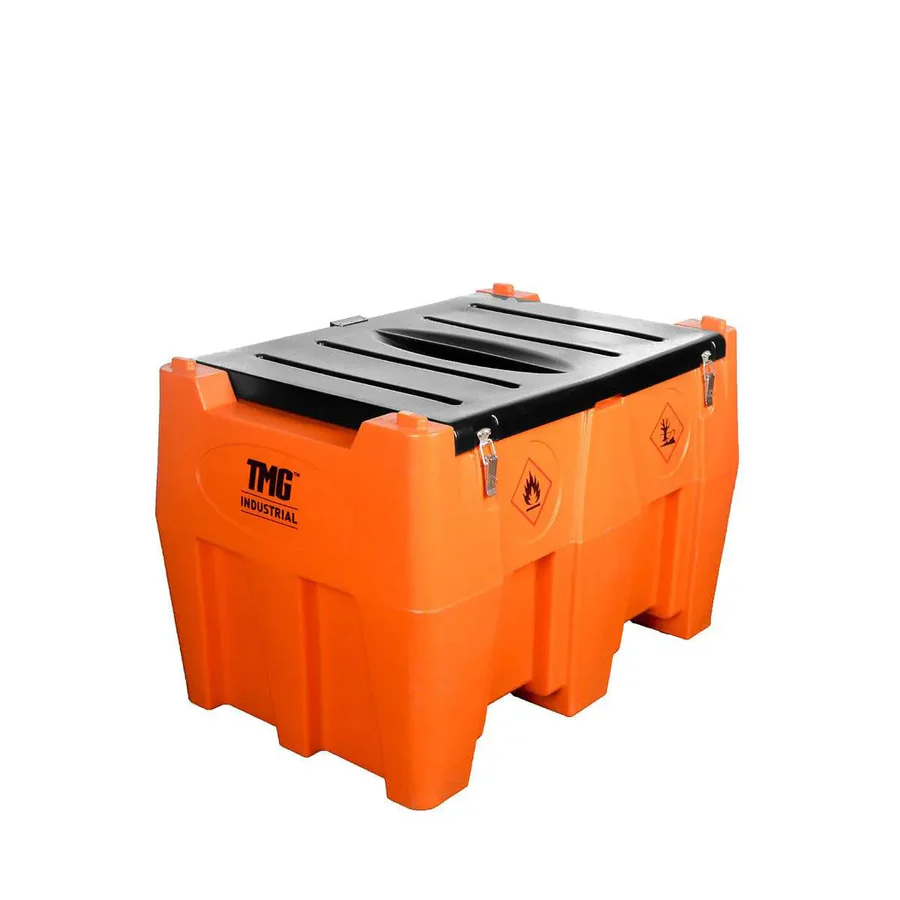
Across rural Canada, the nearest fuel station can sit an hour from the field. Grain farmers on the Prairies, logging crews in northern British Columbia, and construction outfits on remote sites all need diesel on hand to keep equipment moving through long days. Hauling jerry cans is slow and unsafe, and a steel tank rusts and sweats through the freeze-thaw climate. A diesel poly fuel tank answers the problem with durable polyethylene construction that stores and dispenses fuel close to the work, cutting downtime and the risk of running dry in the middle of harvest.
Why Polyethylene
A poly fuel tank is moulded from high-density polyethylene rather than welded steel. The material does not corrode, so it will not shed rust into the fuel system or weep at seams after years outdoors. Polyethylene also resists the internal condensation that troubles steel tanks through wide temperature swings, and the lighter weight makes a one hundred sixteen gallon tank easier to mount on a truck deck or skid.
Refuelling Efficiency
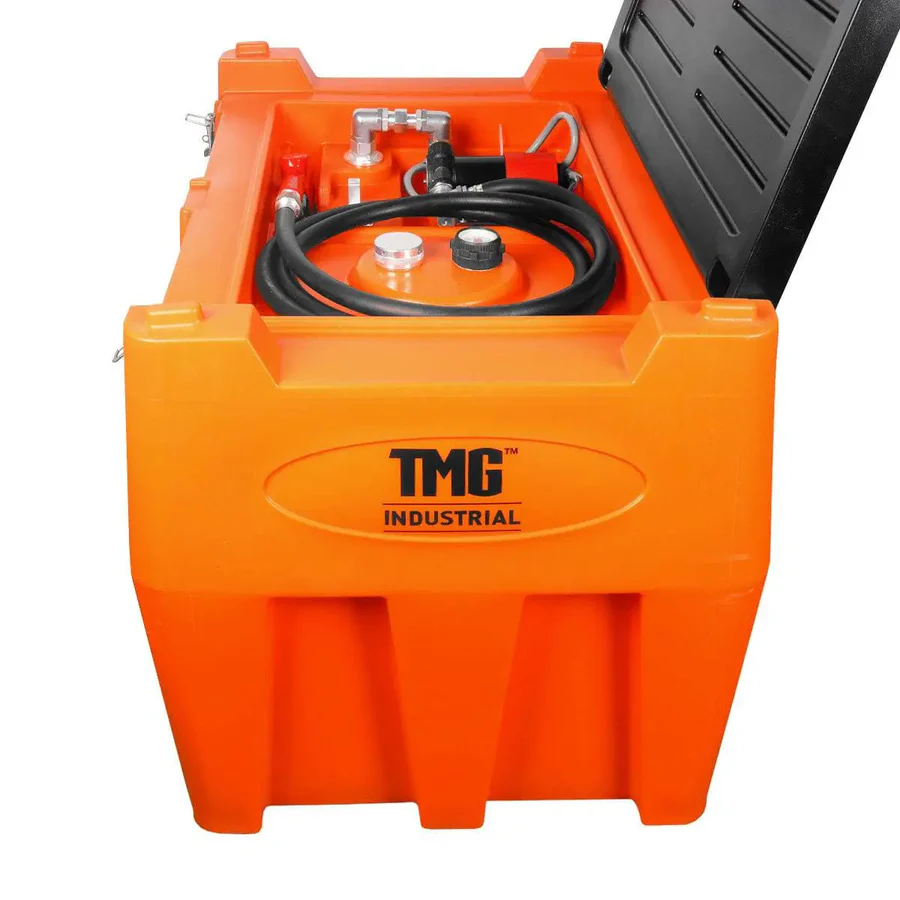
On-site storage keeps machines working. Instead of driving a tractor to town or waiting on a fuel truck, an operator tops up at the headland and returns to the field. Paired with a pump and hose, the tank becomes a mobile refuelling station, and a full range of fuel storage and transfer equipment lets a farm or contractor match tank size, pump speed, and filtration to the fleet it runs.
Safety and Performance
Diesel storage carries real responsibility. Proper venting, grounding, and spill containment protect both people and ground water. Several factors decide how safely an on-farm tank performs:
- ·Secure mounting against movement in transit
- ·Correct venting to prevent vapour buildup
- ·A lockable cap and nozzle against theft
- ·Spill containment under the dispensing point
- ·Filtration to keep water and dirt from injectors
On a remote site in northern Alberta, crews set the tank on a bunded skid so any spill is caught before it reaches the soil.
What Buyers Should Weigh
Choosing a fuel tank is a question of fit to your operation. Before buying, weigh these factors:
- ·Capacity matched to your daily fuel use
- ·Wall thickness and ultraviolet resistance
- ·Pump and hose compatibility for your equipment
- ·Portability for the way you move fuel
- ·Compliance with local fuel-storage rules
Industry Outlook
As equipment grows more fuel-hungry and rural fuel stops close, on-site diesel storage is becoming standard rather than optional. Durable, corrosion-free polyethylene is replacing steel for good reason, and a well-chosen portable diesel fuel tank keeps Canadian farms and worksites running through the longest days of the season.
