

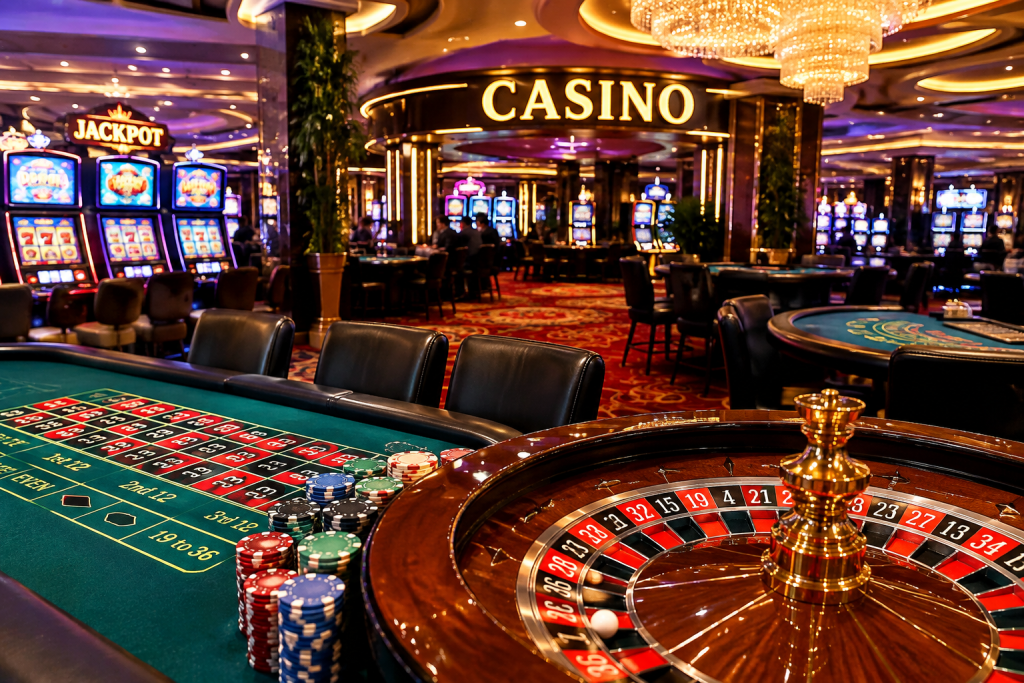
A live dealer table feels effortless from the player’s side: the cards glide, the wheel spins, your balance updates before the dealer has finished speaking. Behind that smoothness sits one of the most technically demanding products in online entertainment — a television studio, a dealing team and a small army of software, all synchronised to the second. This look behind the curtain explains how live casino streaming works and the etiquette that keeps the table pleasant for everyone.
The Studio You Never See
Live games are filmed in dedicated studios designed to look like intimate casino tables and sound like a whisper. Each table has multiple cameras: a wide shot for atmosphere, overhead and close-up cameras for the cards and wheel, and the dealer’s own framing for interaction. Lighting is calibrated so card pips read clearly at a glance, because software has to read them too.
That reading is done by optical character recognition and, for roulette, sensors in the wheel itself. Every card dealt is converted into data within a fraction of a second, transmitted to the game server, and reflected in your interface as the result — which is why your screen can declare a winning hand at almost the same moment the dealer does. A game control unit at each table encodes the video and syncs it with this data, while a pit boss monitors the floor digitally, exactly as in a physical casino. You can watch the finished product in action from the tables listed at man club, where several studios stream simultaneously around the clock.
The Human Element
Dealers are trained presenters as much as card handlers. They manage the betting window, announce results, follow strict procedures for misdeals and no-spins, and keep a chat conversation alive with players they cannot see. The best ones develop followings the way streamers do, which is why platforms publish dealer schedules and why favourite tables fill quickly at peak hours.
The live rooms showcased under casino manclub span a range of personalities and paces, from calm, methodical baccarat tables to high-energy game-show hosts performing to the camera. If a table’s tempo or style does not suit you, switching costs nothing — variety is one of the format’s genuine advantages over a physical floor.
Etiquette for the Chat Window
Live tables have one social channel: the chat. A few courtesies keep it welcoming. Greet the table when you sit down if you like, congratulate winners briefly, and keep complaints about luck in perspective — the dealer did not shuffle the deck against you personally, and venting at them or fellow players is the fastest route to a chat mute.
Place your bets within the countdown rather than at the final beep; last-second bets slow the rhythm for everyone. If the stream stutters, adjust your quality settings before blaming the table, and remember the game result always comes from the studio floor, not from what your buffered video happened to show. Treat the session like a seat in a real room — relaxed, polite and patient — and you will find the live casino is the most sociable corner of online gaming, built one dealt hand at a time.
The format keeps evolving, too. Studios are experimenting with multi-camera angles you can choose yourself, tables that blend physical wheels with digital bonus rounds, and streams optimised for portrait phone screens rather than televisions. What will not change is the division of labour that makes the product work: machines handle the counting, cameras handle the showing, and people handle the atmosphere. Understanding that trio changes how you watch — the dealer’s pause before the reveal, the camera’s cut to the wheel, the instant settlement underneath it all stops looking like magic and starts looking like craft. And craft, at a well-run live table, is most of the pleasure. The cards were always going to be random. The experience around them is anything but.
