

Introduction
Events provide businesses with valuable opportunities to connect directly with their target audiences, showcase products and services, and build lasting relationships. Whether participating in trade shows, conferences, industry expos, or corporate events, one of the primary goals for most organizations is strengthening brand recognition. A memorable brand presence can help companies stand out in crowded environments and increase the likelihood that attendees will remember them long after the event concludes.
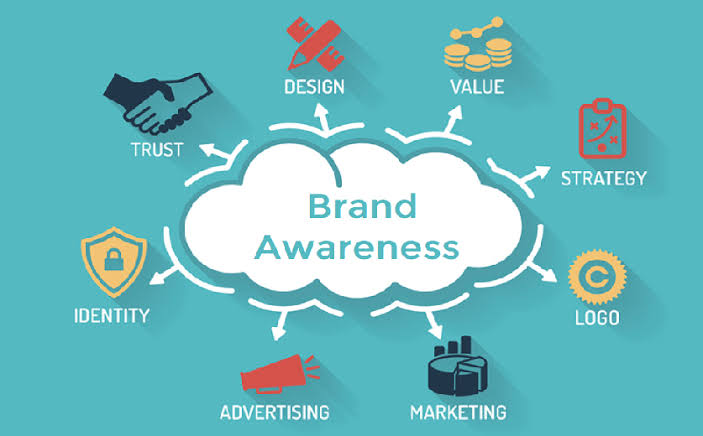
Brand recognition does not happen by accident. It requires a deliberate combination of visual consistency, strategic messaging, engaging experiences, and thoughtful event planning. Organizations that approach events with a clear branding strategy often achieve stronger awareness, increased booth traffic, and more meaningful connections with prospective customers. By focusing on several proven approaches, businesses can maximize the impact of their event participation and reinforce their brand identity.
Create a Consistent Visual Identity
One of the most effective ways to strengthen brand recognition is by maintaining a consistent visual identity throughout the event experience. Attendees should be able to recognize the organization immediately through its colors, logo, typography, graphics, and overall presentation style.
Consistency across every element of the exhibit helps establish familiarity and trust. Booth graphics, promotional materials, digital displays, staff apparel, and signage should all work together to reinforce the same visual message. When branding appears unified, attendees are more likely to remember the company and associate specific visual elements with its products or services.
A cohesive visual identity also contributes to professionalism. Exhibits that look organized and intentional often create a stronger first impression than displays that feature inconsistent messaging or disconnected design elements.
The more often attendees encounter the same visual cues throughout the event, the greater the likelihood that those elements will remain memorable after the event ends.
Use High-Impact Signage and Displays
Visibility plays a critical role in event success. If attendees cannot easily see or locate an exhibit, opportunities for engagement may be lost before conversations even begin.
Large graphics, overhead branding, and strategically positioned signage help attract attention from a distance. Strong visual displays make it easier for visitors to identify the booth and understand the company’s focus before approaching.
Illuminated graphics can be especially effective in busy exhibition environments. For example, a backlit banner stand can help highlight key messages and create visual contrast that draws attention amid competing displays. The enhanced visibility often makes important branding elements more noticeable and memorable.
Display design should prioritize simplicity and clarity. Attendees frequently make decisions within seconds, so visual communication needs to be immediate and easy to understand. Strong signage supports wayfinding, reinforces branding, and increases opportunities for interaction.
When visibility is prioritized, organizations can improve traffic flow and create a more impactful event presence.
Develop a Clear and Memorable Message
A recognizable brand requires more than a well-designed logo. Attendees should quickly understand what the organization does, what problems it solves, and why it differs from competitors.
Successful event messaging is concise, focused, and easy to communicate. Rather than overwhelming attendees with excessive information, businesses should identify a few key points that define their value and repeat them consistently throughout the event.
Messaging should appear on signage, digital displays, printed materials, and staff talking points. Repetition helps reinforce memory and improves brand recall.
A strong message often combines clarity with relevance. Visitors are more likely to remember companies that communicate benefits in a way that aligns with their interests or needs. Clear messaging makes the brand easier to understand and strengthens overall recognition.
When branding and messaging work together, attendees leave with a more complete understanding of the organization and its purpose.
Encourage Meaningful Visitor Engagement
Active participation often creates stronger memories than passive observation. Organizations can improve brand recognition by creating opportunities for meaningful interaction throughout the event.
Product demonstrations, educational presentations, interactive experiences, and live discussions encourage attendees to spend more time engaging with the brand. The longer visitors interact with an exhibit, the more likely they are to remember it.
Engagement also helps build emotional connections. When attendees have positive experiences with staff members or participate in memorable activities, those interactions can strengthen overall perceptions of the brand.
Well-trained team members play an important role in this process. Staff should be approachable, knowledgeable, and prepared to communicate the brand message clearly and consistently.
Meaningful engagement transforms a booth visit into a memorable experience, increasing the likelihood that attendees will remember both the interaction and the organization behind it.
Extend Branding Beyond the Booth
Brand recognition opportunities should not be limited to the exhibit space itself. Organizations that extend their visibility throughout the event often increase awareness among a broader audience.
Sponsorships, event sessions, speaking engagements, networking activities, and branded materials can all contribute to greater exposure. These additional touchpoints reinforce the brand and create multiple opportunities for attendees to encounter it throughout the event.
Digital channels can also support event visibility. Event-specific social media campaigns, mobile applications, and online engagement initiatives help extend branding beyond the physical venue and encourage ongoing interaction.
The more frequently attendees encounter a company’s branding, the stronger the potential for long-term recognition. A comprehensive strategy ensures that branding remains visible before, during, and after the event.
Extending visibility beyond the booth helps maximize the return on event participation and strengthens overall awareness.
Follow Up and Reinforce the Brand Experience
The event may end, but brand-building efforts should continue afterward. Follow-up communication is an essential component of strengthening recognition and maintaining momentum generated during the event.
Personalized emails, digital resources, thank-you messages, and post-event communications help remind attendees of the interactions they had with the organization. Consistent branding should remain present throughout these follow-up efforts to reinforce familiarity.
Providing valuable content can also help sustain engagement. Educational materials, product information, case studies, and event recaps give attendees additional reasons to remember the brand and continue interacting with it.
Effective follow-up transforms a single interaction into an ongoing relationship. It also ensures that the positive impressions created during the event remain fresh in the minds of attendees.
Organizations that maintain consistent communication often strengthen both brand recognition and long-term business opportunities.
Conclusion
Strengthening brand recognition at events requires a combination of consistent visual identity, high-impact displays, clear messaging, meaningful engagement, expanded event visibility, and effective follow-up efforts. These strategies work together to create memorable experiences that help organizations stand out in competitive environments. By approaching event participation with a focused branding plan, businesses can increase awareness, improve attendee recall, and create stronger connections with prospective customers. A well-executed event strategy not only attracts attention during the event itself but also supports long-term brand growth and recognition long after the experience has ended.
