

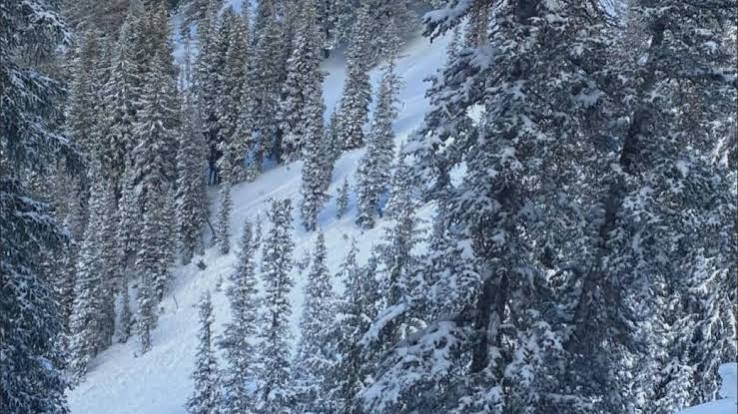
A regional forecast can make the Fraser Valley look like one weather zone. At property level, it rarely behaves that simply. A higher site may be accumulating snow while pavement several kilometres away stays wet. Hours later, the lower property can become the greater ice concern as standing moisture freezes overnight.
Snow Removal Expert’s Winter Intelligence Engine is relevant to this problem because elevation is only one part of the decision. Surface temperature, exposure, shade, drainage, precipitation type, traffic, and changing weather all influence whether a property needs plowing, monitoring, ice control, or another inspection.
For facility managers, the important lesson is that snowfall totals should not become the only service trigger. Fast clearing, modern equipment, 24/7 response capability, safety-focused ice management, scheduled plans, and coordinated dispatch work best when they respond to what is happening at each site.
The same storm can create different maintenance clocks across the same route.
Understand Elevation Bands and Precipitation Changes
Planning winter property service in Abbotsford and Mission requires recognizing how quickly conditions can change between valley-floor properties, intermediate slopes, and higher hillside locations.
A modest increase in elevation can matter significantly when temperatures are hovering close to freezing.
The Snow Line Is Not Fixed
Precipitation may arrive as rain at one property, heavy wet snow farther uphill, and more persistent snow at a higher location. The dividing line can also move during the storm as warmer or colder air enters the region.
That means an operations team should avoid classifying a whole route as either “snow” or “rain.”
A British Columbia microclimate study offers a useful illustration of how elevation can affect snow persistence. At research locations ranging from 1,290 to 1,620 metres, the highest site became snow-free roughly one month later than the lowest. Those elevations are not a service benchmark for the Fraser Valley, but the finding demonstrates how elevation can materially change the duration of snow conditions.
Exposure Changes the Same Elevation
Properties at similar elevations can still behave differently.
An exposed slope may receive more wind and redistribution. A sheltered site may retain snow longer. South-facing pavement can warm in sunlight while a shaded northern access remains frozen.
Elevation sets the broader conditions; property geometry determines how those conditions appear on the ground.
Shade Can Keep Yesterday’s Storm Alive
Snowfall may end in the morning while a shaded entrance remains a problem well into the next night.
This is where elevation and solar exposure interact. Higher properties can remain colder for longer, but even low or intermediate sites can preserve frozen surfaces where buildings, trees, retaining walls, or terrain block winter sunlight.
A broader professional snow and ice management program should therefore map shaded areas before winter rather than discovering them during the first freeze.
Watch north-facing driveways, parkade approaches, loading areas beside tall buildings, narrow lanes, stair landings, and pedestrian routes that receive little afternoon sun.
These surfaces can remain below freezing after nearby open pavement begins melting. Meltwater entering the shaded zone may then refreeze even though the rest of the property looks improved.
For managers, that creates an important service distinction: a property can stop needing snow removal while still requiring winter maintenance.
Track Drainage and Overnight Refreeze
Lower elevation does not automatically mean lower risk. Once precipitation becomes wet or temperatures rise, drainage may become more important than accumulation.
Follow Water Down the Property
Snowmelt follows grade.
Water from an elevated parking area can move toward lower entrances, catch basins, loading lanes, or pedestrian crossings. Roof runoff and melting snow piles can add more moisture after plowing is complete.
Catch basins should remain accessible, and snow-storage locations should be chosen with future meltwater in mind.
One Fraser Valley municipality specifically advises residents to keep gutters and storm drains free of snow, ice, leaves, and debris so rain and melted snow can drain properly.
Recheck Before the Temperature Bottoms Out
The first clearing pass should not automatically close the event.
Inspect low points, shaded surfaces, compacted traffic areas, curb cuts, ramps, and drainage routes again when temperatures are expected to fall.
A thin wet film can matter more at that stage than several centimetres of stable snow stored safely away from traffic.
Refreeze risk is therefore a timing problem as much as a temperature problem.
The Route Should Follow Conditions, Not the Map
A fixed route order is attractive because it looks organized. Elevation can make it obsolete during the storm.
A higher property accumulating snow quickly may need to move forward in the sequence. Later, once that site stabilizes, lower properties with wet pavement and falling surface temperatures may become the priority.
Local Fraser Valley snow and ice planning should therefore allow dispatch decisions to change as conditions evolve rather than forcing every crew to follow the same order from the start of the event to the finish.
Municipal operations provide a useful real-world comparison. One local snow program gives first-priority status to major hillside access routes and monitors forecasts, roadway conditions, cameras, and pavement sensors, with live sensor information updated every five minutes. Another expanded its winter fleet in December 2025 and added GPS technology specifically to improve field awareness and timely resource decisions.
Private-property routes are smaller, but the principle transfers well: use current conditions to decide what needs attention next.
Build a Property-Level Elevation Plan
Facility managers do not need a complex meteorological model for every driveway. They do need a repeatable way to identify which properties behave differently.
Start by grouping sites into practical elevation and exposure bands. Record slopes, shaded zones, drainage paths, snow-storage areas, traffic patterns, known cold spots, and surfaces that have refrozen during previous winters.
Then establish different decision points.
Higher or exposed sites may need earlier accumulation checks and priority plowing. Intermediate properties may require closer attention to changing precipitation type. Lower sites may shift quickly from snow management to slush, drainage, and overnight ice monitoring.
Service records should capture those changes. Document when conditions moved from rain to snow, where pavement remained wet, which surfaces required repeat treatment, and why a route priority changed.
That history makes the next storm easier to manage.
The Fraser Valley does not experience winter as one flat weather surface. Elevation shifts temperature and precipitation. Shade changes how long cold surfaces persist. Slopes move meltwater downhill. Lower areas can trade snowfall risk for drainage and refreeze problems.
The strongest winter plan recognizes those differences before dispatch begins.
For property and facility managers, the goal is not to predict every centimetre perfectly. It is to build enough flexibility into monitoring, routing, clearing, and follow-up that one regional forecast does not become one inaccurate service plan for every property.
