

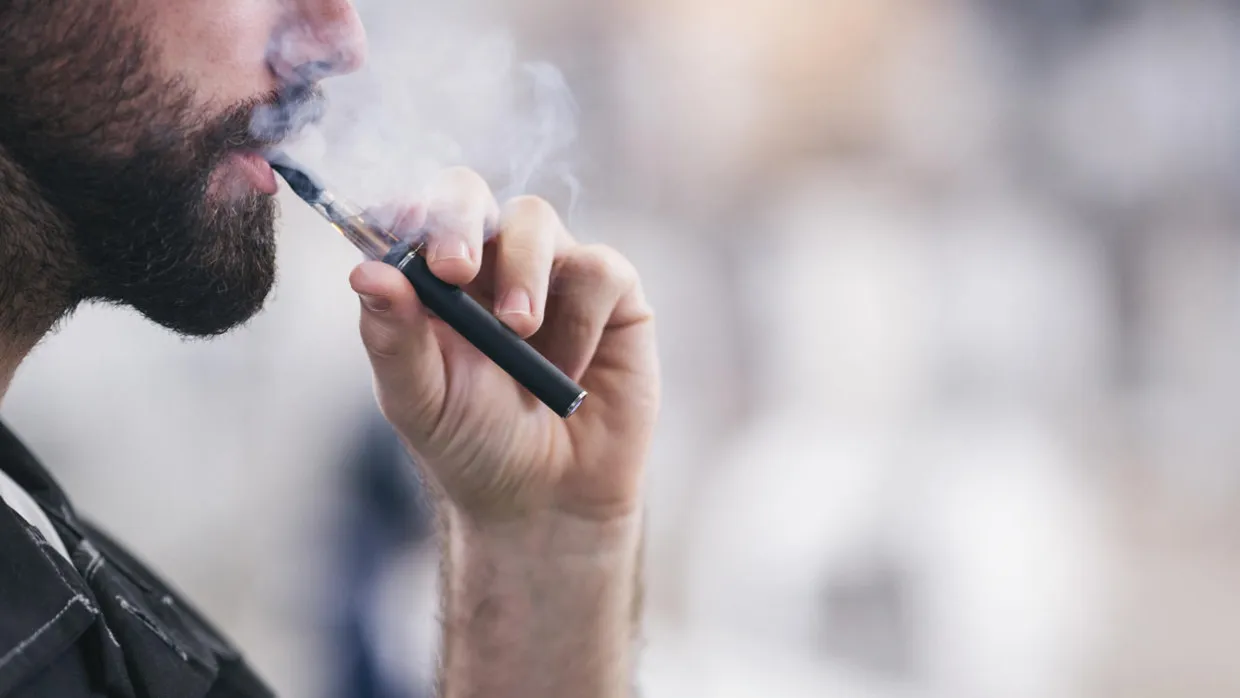
The debate over smoking vs vaping has grown rapidly over the last decade, especially as modern devices like the RandM Tornado 7000 gain popularity among adults looking for alternatives to traditional cigarettes. While both practices involve inhaling nicotine, the way they deliver it, the chemicals involved, and their overall health impacts are dramatically different. To understand the real differences, it’s important to look at how smoking and vaping work, what science says about their risks, and how each habit affects the body and daily lifestyle.
How Smoking Works: A Combustion-Based Process
Traditional cigarette smoking has remained largely the same since the early 20th century. It involves burning dried tobacco leaves, producing smoke that contains over 7,000 chemicals. Many of these are harmful substances created by combustion—meaning the tobacco is burned at extremely high temperatures.
Key elements of smoking include:
- Burning tobacco → creates tar, carbon monoxide, carcinogens
- Inhaling smoke → leads to lung irritation and long-term damage
- Additives → many commercial cigarettes contain chemicals to control burn rate or enhance nicotine absorption
The biggest danger from smoking doesn’t come from nicotine itself, but from the byproducts of combustion. Tar sticks to the lungs, carbon monoxide reduces oxygen levels in the blood, and toxic substances like formaldehyde and benzene contribute to cancer risks.
For this reason, cigarettes remain one of the leading preventable causes of serious health conditions, including heart disease, stroke, and chronic lung disease.
How Vaping Works: Heating Instead of Burning
Vaping, on the other hand, operates on a totally different principle. Instead of burning tobacco, e-cigarettes heat e-liquid to create a vapor that users inhale. This process avoids combustion, and as a result, users are exposed to far fewer toxic chemicals.
What happens inside a vape device?
- A battery powers a coil
- The coil heats the liquid
- E-liquid becomes aerosol (vapor), not smoke
- User inhales the vapor
Devices like the RandM Tornado 7000, which is a popular rechargeable disposable vape, use nicotine salts to deliver a smooth throat hit similar to cigarettes but without producing tar or smoke. These devices also come prefilled with e-liquid, eliminating the need for maintenance or refilling, which is why they appeal to many adult smokers switching to vaping.
Chemical Differences Between Smoking and Vaping
One of the clearest distinctions between smoking and vaping lies in the chemicals involved.
Smoking exposes users to:
- Tar
- Carbon monoxide
- Benzene
- Ammonia
- Polonium-210 (radioactive element)
- Formaldehyde
- Acrolein
Many of these are known carcinogens.
Vaping exposes users to:
- Propylene glycol (PG)
- Vegetable glycerin (VG)
- Flavorings
- Nicotine
While some chemicals in vapor can irritate the lungs, the number and concentration of harmful substances are dramatically lower than in cigarette smoke. Numerous studies show that vaping significantly reduces exposure to toxic compounds, although it is not risk-free.
Health Impacts: What the Science Says
Health Effects of Smoking
Smoking is linked to:
- Lung cancer (main cause)
- COPD and chronic bronchitis
- Heart disease and stroke
- Reduced lung function
- Weakened immune system
- Premature aging of skin
- Fertility problems
Smoking kills millions of people each year worldwide.
Health Effects of Vaping
Vaping does not have decades of long-term data yet, but current research shows:
- Far fewer toxic chemicals than smoking
- Reduced biomarkers of harm in smokers who switch completely
- Lower risk of lung cancer and heart disease compared to smoking
- Less impact on lung function than cigarette smoke
However, vaping may still cause:
- Throat and lung irritation
- Increased heart rate due to nicotine
- Possible long-term respiratory risks (still being studied)
In short, vaping appears less harmful than smoking, but not completely harmless.
Nicotine Delivery: Faster with Cigarettes, Controlled with Vapes
Nicotine, the addictive substance in both smoking and vaping, behaves differently depending on the delivery method.
Cigarettes provide:
- Very fast nicotine absorption
- A strong “hit” due to smoke inhalation
- Reinforcement through chemical additives
This rapid delivery contributes to smoking’s high addiction potential.
Vapes provide:
- Controlled nicotine levels
- A smoother hit using nicotine salts (especially in devices like the RandM Tornado 7000)
- Slower, but still effective, absorption
For many adult smokers, this controlled delivery makes vaping a more manageable alternative and often reduces overall consumption.
Convenience and Lifestyle Differences
Smoking Lifestyle
Smoking requires:
- Lighters or matches
- Ash disposal
- Tolerance for smoke odor
- Going outdoors in many places due to indoor bans
It leaves long-lasting smells on clothes, hair, furniture, and cars.
Vaping Lifestyle
Vaping is generally:
- More discreet
- Less smelly (vapor dissipates quickly)
- Easier to use indoors unless prohibited
- Cleaner (no ash, no smoke)
Devices like the RandM Tornado 7000 add convenience because:
- They’re prefilled
- They can last thousands of puffs
- They’re portable and require no maintenance
- They offer a wide variety of flavors
This makes vaping more appealing for adults looking for a modern alternative to cigarettes.
Cost Comparison: Cigarettes Are Much More Expensive
Smoking has become very costly in many countries due to rising taxes.
Typical Costs:
- Cigarettes: A pack a day can cost hundreds per month
- Vaping: A single high-capacity disposable or a refillable kit generally costs less over time
Devices like the RandM Tornado 7000 offer thousands of puffs, often lasting days or even weeks, making them far more economical.
Which Is Safer? The Honest Answer
Based on current evidence:
✔️ Vaping is less harmful than smoking
Because it avoids combustion, vaping reduces exposure to dangerous chemicals and does not produce tar or carbon monoxide.
✔️ Smoking is significantly more harmful
The toxic byproducts of burning tobacco account for most of the severe health risks.
✔️ Neither option is completely safe
Non-smokers should not start vaping, and young people should avoid nicotine entirely.
✔️ For adult smokers who cannot quit, vaping is often a harm-reduction tool
Many health organizations acknowledge this, while reminding the public that quitting all nicotine is the ideal choice.
Final Verdict: Smoking vs Vaping
Smoking and vaping may look similar from the outside, but they are fundamentally different in how they work, what chemicals they deliver, and how they impact health.
- Smoking involves burning tobacco and inhaling toxic smoke, making it one of the most harmful legal habits in the world.
- Vaping, especially with modern devices like the RandM Tornado 7000, heats liquid instead of burning it, which drastically reduces toxic exposure.
While vaping isn’t risk-free, evidence strongly suggests that it is a much less harmful alternative for adult smokers who want to reduce their risk or transition away from cigarettes.
