

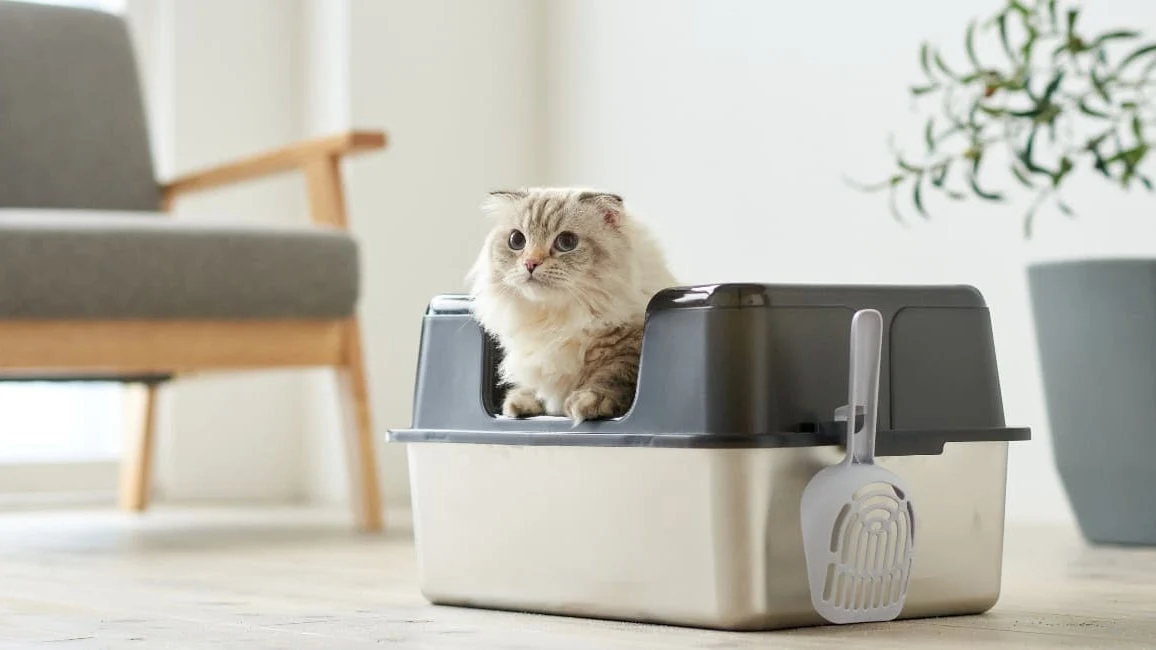
Most cat owners eventually blame their cat for a smell that never quite goes away. The litter gets changed, the window gets opened, and still the odor creeps back within a day or two. What rarely gets questioned is the box itself. Plastic pans scratch, absorb, and hold onto odors long after the litter has been replaced, which is why so many households end up scrubbing the same stubborn stains month after month. A stainless steel pan behaves very differently. It resists scratching, wipes clean in seconds, and does not develop the stale smell that settles into porous surfaces over time.
For anyone tired of replacing warped pans every year, switching materials is often the single most effective change in the entire litter routine. This guide explains what stainless steel actually changes, how to pick a size that suits your cat, and how to build a cleaning habit that keeps both the box and the room fresh.
The Hidden Cost of Plastic Pans
Plastic litter pans look affordable on the shelf, but the real price shows up later. Claws dig into the base during every scratching session, leaving fine grooves that no amount of rinsing can fully reach. Litter dust and moisture settle into those grooves, and bacteria follow. Within a few months, the pan develops a smell that lingers even when it is empty and washed. Owners often respond by buying stronger litter, air fresheners, or an entirely new pan, which only repeats the same cycle.
The structural problems add up too. Thin plastic flexes when a heavier cat jumps in and out, and the corners eventually crack. Cleaning becomes a chore because residue clings to the textured surface and requires soaking before it will release. By the time the pan is replaced, most owners have spent far more on litter, cleaners, and replacements than they expected.
A stainless steel cat litter box addresses the root of the problem rather than masking it. The surface is non-porous and smooth, so waste and moisture have nowhere to soak in. Scratches from claws are shallow at worst and do not trap odor the way plastic does. That single material difference removes most of the reasons people end up replacing pans in the first place.
What Stainless Steel Changes in Daily Life
The shift is less about luxury and more about how much friction disappears from an ordinary week. Once the box stops holding onto smells, the entire routine becomes simpler.
Odor Control That Does Not Rely on Fragrance
Because the metal does not absorb liquids, urine stays on the surface where litter can do its job. After scooping, a quick wipe removes whatever the litter missed. There is no lingering base note of old ammonia rising from the plastic itself, which is often what guests notice first. Many owners find they can reduce scented litter or skip it entirely, since the box is no longer contributing its own smell to the room.
A Cleaning Routine Measured in Seconds
Daily scooping takes the same effort as before, but the weekly deep clean is dramatically shorter. A stainless pan can be rinsed, wiped with a pet-safe cleaner, and dried without soaking. There are no textured edges to scrub with a brush and no need to let the pan air out for a full day before refilling. For busy households, that difference is what makes consistent cleaning realistic instead of aspirational.
Choosing a Box That Fits Your Cat
Material matters, but size and placement decide whether a cat actually uses the box comfortably. A pan that is too small forces cats to stand awkwardly or hang over the edge, which leads to misses and stress.
Size, Entry, and Placement
Measure your cat from nose to the base of the tail and choose a pan that is at least as long, ideally longer. Larger cats and seniors benefit from low entry points, while confident jumpers do fine with higher sides that contain litter scatter. Place the box in a quiet spot away from food and water, and keep it out of dead-end corners where a cat can feel trapped. If you have multiple cats, provide one box per cat plus one spare, even if they share well.
Litter Pairing and Depth
Stainless steel works with clumping clay, pellets, and most plant-based litters, so you do not have to change what your cat already accepts. A depth of roughly two to three inches suits most adult cats, while kittens and seniors may prefer a shallower layer that is easier to dig in. Avoid overfilling, since deeper litter gets tracked out and makes scooping harder without improving the experience for the cat.
Accessories That Actually Help
A high-sided pan cuts down on scatter, but it can be awkward for older cats to climb into. A small step or a low entry section solves that without sacrificing containment. A litter mat placed at the exit catches granules from between the toes, and because stainless steel does not hold static the way plastic can, litter tends to fall off the pan cleanly rather than clinging to the walls. Keep accessories minimal. Cats are more comfortable with a simple, unobstructed setup than with a box surrounded by clutter.
Long-Term Value and Everyday Care
The appeal of stainless steel becomes clearer over months rather than days. There is no cracking, no warping from hot water, and no gradual breakdown of the surface. Wiping the pan after scooping keeps residue from building up, and a monthly wash with mild soap is usually enough to keep it looking and smelling new. Owners who previously replaced plastic pans once or twice a year often find they simply stop thinking about replacements altogether.
It also fits into a broader routine well. A box that cleans quickly encourages daily scooping, and daily scooping prevents the strong odors that make cats avoid their litter entirely. That consistency matters more than any single product feature, because litter box problems are usually habits that drift rather than sudden failures.
When shopping, look for rounded interior corners, a stable base, and a rim that will not cut into your hands during cleaning. Meowant designs its litter boxes around exactly these practical details, which is why the material and the shape work together rather than fighting each other. A box should feel like a tool you can trust, not a disposable item.
Common Mistakes to Avoid
Even a well-made pan can underperform if it is set up carelessly. Placing it next to a noisy appliance or in a high-traffic hallway discourages use. Lining the pan with a plastic bag defeats the purpose of a non-porous surface, since the bag itself holds odor. Skipping the weekly wash lets a film build up on the metal, which can eventually dull the finish and trap smell. And switching litter abruptly at the same time as switching boxes gives cats two changes to reject at once, which makes it hard to know what went wrong.
Introduce changes one at a time, keep the old litter for a transition period, and give your cat a week or two to settle in. Patience during that window is usually all it takes.
How to Keep the Box Smelling Neutral
Material removes the biggest source of odor, but habits keep it that way. Scoop twice a day if you can, since clumps left in place release ammonia as they sit. Use a scoop with a wide slot so fine clumps do not slip through, and tap it against the pan edge before transferring waste to a sealed bin. Wash the pan weekly with mild soap and warm water, then dry it fully before adding fresh litter, because moisture left behind encourages clumping and smell.
Replace litter on a schedule rather than topping it off indefinitely. Even with regular scooping, fine dust and small fragments accumulate, and a full change every few weeks keeps the bed fresh. If you use a liner, check that it does not trap odor beneath it. Many owners find that a well-maintained stainless pan needs no liner at all, which saves both money and a layer of potential smell.
Finally, ventilate the area. A box in a closed closet will smell regardless of the material, while the same box in a well-ventilated laundry room stays neutral far longer. Airflow is the cheapest odor control available, and it works best when the box itself is not contributing its own smell.
A Fresher Home Starts With the Right Material
Litter box odor is rarely a discipline problem. It is usually a materials problem. Plastic scratches, absorbs, and quietly turns into a permanent smell source, while stainless steel stays smooth and clean with minimal effort. For households that have tried every litter and every air freshener without lasting results, changing the pan is the step that finally breaks the cycle.
Focus on a pan that fits your cat’s length, offers comfortable entry, and sits in a calm, accessible spot. Pair it with the litter your cat already likes, scoop daily, and wash weekly. Do those things, and the box stops being the part of cat ownership everyone dreads. It becomes just another quiet, reliable routine in a happy home.
