

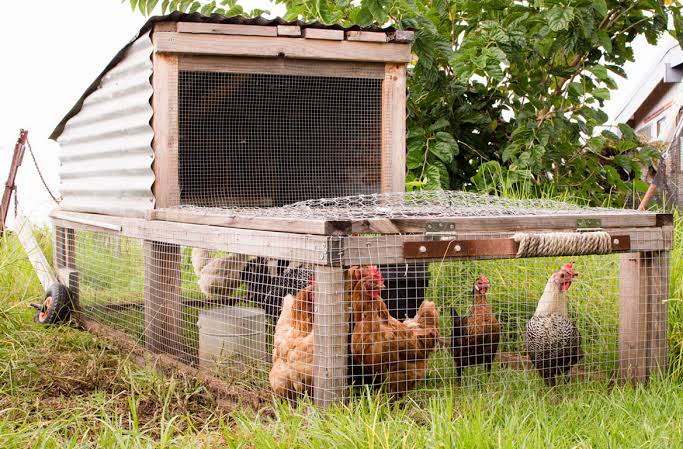
Why Secure Runs Matter for Australian Flocks
Keeping backyard chickens has become a fixture of Australian life, from quarter-acre blocks in the suburbs of Melbourne to small holdings in regional Queensland. Fresh eggs and the satisfaction of raising a flock come with a constant responsibility, which is protecting the birds from predators and the weather. The fox is the chief threat across much of the country, and a determined fox will test every weakness in an enclosure. A galvanised steel chicken run shelter gives a flock a large, secure space to range while keeping predators out. Understanding how these shelters are built helps an owner protect their birds and choose a structure that lasts.
How a Run Shelter Is Built
A run shelter is a framed steel enclosure clad in wire mesh, designed to give chickens room to move, scratch, and forage in safety. The frame carries the structure and resists the wind, while the mesh forms a barrier that birds cannot escape and predators cannot breach. A galvanised steel frame resists the rust that the damp and humidity of an Australian summer would otherwise drive, and a coated mesh adds a further layer of corrosion protection at the points most exposed to the weather.
The mesh itself is the heart of the security. A close, strong mesh stops a fox from pushing through or reaching in, and a coated finish helps it withstand years outdoors. A lockable gate completes the enclosure, allowing the keeper easy access while denying it to predators, and a generous footprint, such as four hundred square feet, gives a flock the room it needs to stay healthy and content.
Protecting Birds From Predators and Weather
A run shelter has two jobs, keeping threats out and keeping the flock comfortable. Several features decide how well it serves both:
- A strong, close mesh that resists foxes and birds of prey
- A secure, lockable gate with no gaps at the edges
- A galvanised frame and coated mesh that resist corrosion
- Enough space for the flock to range and avoid crowding
- Shade and shelter from sun, wind, and driving rain
An owner on the outskirts of Perth who secures the base of the run against digging, as well as the sides against climbing, gives a flock genuine protection through the night, which is when most predator losses occur.
Placement and Predator-Proofing
Where and how the run is set up shapes how well it protects the flock. A short set of practices strengthens any enclosure:
- Set the shelter on firm, well-drained ground that does not pool water
- Secure or skirt the base so foxes cannot dig underneath
- Anchor the structure against the wind common to the area
- Check the mesh and gate regularly for gaps or damage
- Position the run to offer both morning sun and afternoon shade
Digging predators are easy to underestimate. A fox that cannot push through the mesh will try to dig beneath it, so securing the perimeter at ground level is as important as the walls themselves.
Comfort, Hygiene, and Flock Health
A good run supports the health of the flock as well as its safety. Space matters, because crowded birds are stressed birds, and stress invites disease and feather-pecking. Good drainage keeps the ground dry underfoot and reduces the parasites and odours that damp, muddy runs breed. Shade is essential in the Australian summer, when heat stress can quickly harm birds left without relief, and a sheltered corner protects them from the cold, wet winds of winter. A spacious, well-drained, partly shaded run is the foundation of a healthy flock. Cleaning is easier in a larger run as well, since droppings and spilled feed are spread over more ground rather than concentrated in a small, fouled patch, and a keeper who rakes the run and refreshes any bedding regularly keeps both odour and disease in check. Birds with room to dust-bathe, forage, and move freely lay better and live longer than those confined to cramped quarters.
What Buyers Should Weigh
Selecting a run shelter is a value decision. Buyers should match the size to the number of birds with room to spare, confirm the mesh is strong and close enough to exclude local predators, and look for a galvanised frame and coated mesh that will last outdoors. A secure, lockable gate and the ability to seal the base against digging are essential, and local support within Australia shortens any wait for parts or replacement mesh.
Where Backyard Poultry Keeping Is Heading
As more Australian households take up backyard poultry for fresh eggs and self-reliance, secure, well-built run shelters continue to grow in popularity over flimsy enclosures that predators defeat. Matched to the flock and set up with care, a quality run earns its place among the broader range of animal shelters that property owners across the country rely on.
