

A Tool Shaped by the American Firewood Season
Across the rural United States, from the hardwood lots of New England to the pine country of the Pacific Northwest, the firewood season means handling heavy, awkward rounds that strain the back and invite injury. Lifting a wet oak round onto a splitter by hand is the part of the job that ends seasons early. A hydraulic log lift removes that lift, raising a heavy log from the ground to the splitter beam under power. Understanding how the lift works helps an operator use it safely and keep production moving.
How a Hydraulic Log Lift Works
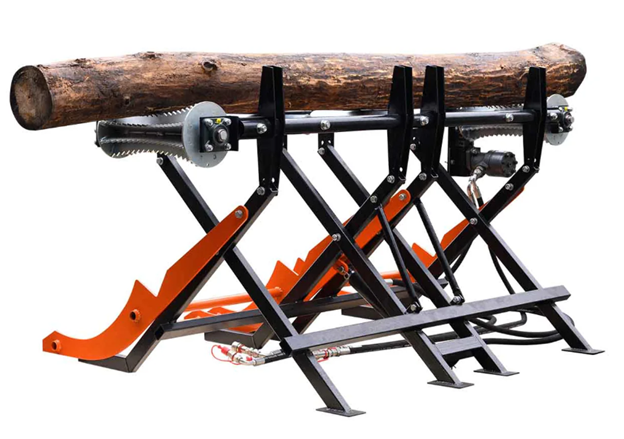
A log lift is an attachment that mounts to a hydraulic wood splitter and draws from the same power supply. A pump pressurizes oil, and that pressure drives a cylinder that swings or raises a cradle from ground level up to the height of the splitter beam. On a chain-drive infeed design, a powered chain pulls the round up an inclined deck, so the operator rolls the log onto the cradle rather than lifting it. The trapped, incompressible oil makes the motion smooth and controlled, which matters when positioning a heavy, irregular round.
Because the lift carries the weight, the operator guides rather than hoists. A unit rated near one thousand pounds handles the largest rounds most properties produce, with a margin that protects the mechanism.
Efficiency, Safety, and Productivity
The greatest gain from a log lift is the removal of the most dangerous motion in firewood work. Several factors decide how well it performs:
- A lift capacity matched to the heaviest rounds handled
- A stable splitter base so the loaded lift does not tip
- Smooth hydraulic flow shared correctly with the splitter
- A cradle or chain deck sized for long, heavy logs
- Clear footing around the machine for safe positioning
A landowner in Vermont processing a winter’s wood supply saves both time and his back by rolling rounds onto the lift instead of heaving them, and a single operator can keep a steady pace that once needed a second person.
Safe Operation and Maintenance
Hydraulic force and heavy logs demand respect. A short routine keeps the work safe:
- Keep hands and feet clear of the cradle and pinch points
- Load within the rated capacity and center the round
- Operate on firm, level ground to prevent tipping
- Inspect hoses, the cylinder, and the chain for wear or leaks
- Keep the hydraulic fluid clean and at the correct level
What Buyers Should Weigh
Selecting a log lift is a value decision. Buyers should confirm the lift suits their splitter and its hydraulic flow, that the capacity covers their heaviest rounds, and that the cradle or chain infeed fits the log lengths they cut. Build quality at the cylinder and pivots determines service life, and parts availability within the United States shortens downtime during the busy cutting season.
Where Firewood Equipment Is Heading
As more American households return to wood heat to manage energy costs, firewood equipment continues to add capacity and labor-saving features that reduce injury. Matched to a sound splitter and careful technique, the hydraulic log lift earns its place among the broader range of wood processing that landowners across the country rely on each season.
