

Portable 3D scanning technology has transformed the way industries capture, analyze, and replicate physical objects. Unlike traditional measurement tools, these devices provide accurate, fast, and highly detailed digital representations of real-world items. The use of portable 3d scanner solutions has enabled professionals to work efficiently in diverse environments without compromising on precision.
From manufacturing plants to archaeological sites, these devices are helping organizations streamline workflows and reduce operational costs. As industries continue to demand speed and accuracy, the adoption of portable scanner technology is steadily increasing across multiple sectors.
Manufacturing Industry
The manufacturing sector is one of the primary adopters of advanced scanning technologies due to its demand for precision and consistency. With the integration of a portable 3d scanner, manufacturers can capture exact measurements of components and ensure that every product meets strict quality standards. This significantly reduces production errors and material waste.
Additionally, this technology plays a vital role in reverse engineering. When original design files are missing, engineers can scan existing parts and recreate digital models. This enables faster redesign, modification, and reproduction, allowing manufacturers to maintain efficiency even in complex scenarios.
Key Uses in Manufacturing:
- Quality inspection and control
- Reverse engineering of components
- Rapid prototyping
- Tool and mold verification
Automotive Industry
The automotive industry relies heavily on accuracy and innovation, making scanning technologies highly valuable. Engineers use them to analyze vehicle components, test design compatibility, and improve production processes. This ensures that every part fits seamlessly within the overall structure.
Another significant application is in vehicle restoration. Technicians can digitally capture worn-out parts and recreate them with high precision. This helps maintain the authenticity of classic vehicles while reducing restoration time and cost.
Aerospace Industry
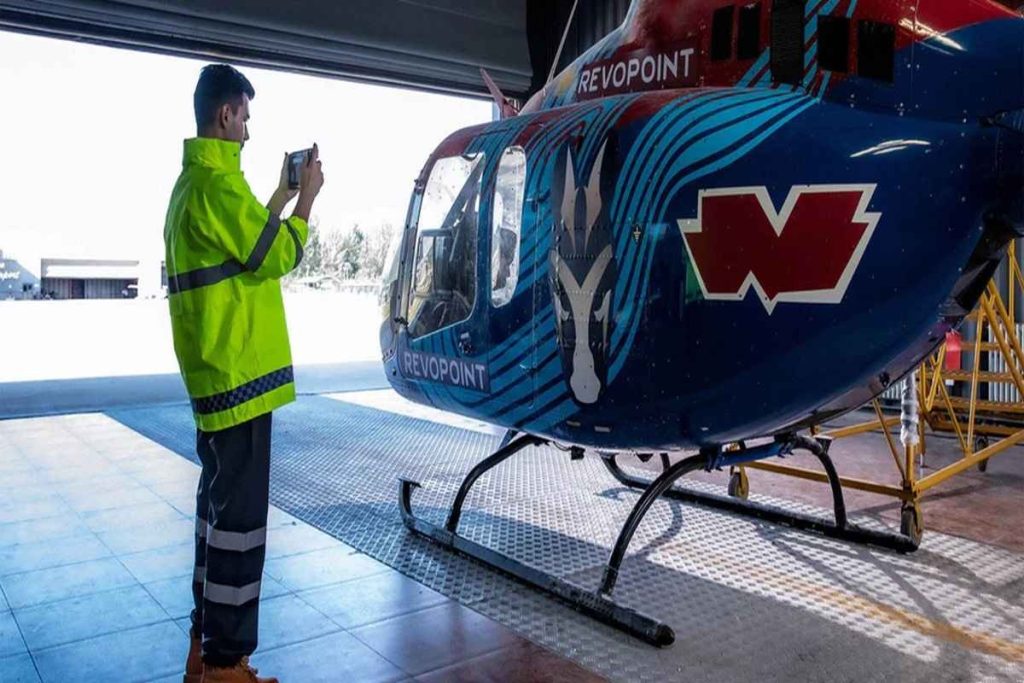
In aerospace, precision is critical as even minor errors can have serious consequences. Scanning technology allows engineers to capture complex geometries that are otherwise difficult to measure using traditional tools. This ensures that aircraft components meet strict safety and performance standards.
These tools are also essential during maintenance and repair. Engineers can quickly assess damage, compare scanned data with original designs, and make informed decisions. This improves operational safety and reduces downtime significantly.
Healthcare and Medical Industry
The healthcare sector has greatly benefited from advancements in scanning technology. By using a portable 3d scanner, medical professionals can create highly accurate models of body parts, enabling the development of customized prosthetics and implants. This personalized approach enhances patient comfort and treatment effectiveness.
In addition, this technology is widely used in surgical planning and dental applications. Doctors can analyze detailed scans before procedures, allowing for better preparation and improved outcomes. This reduces risks and increases the overall success rate of medical treatments.
Architecture and Construction
The architecture, engineering, and construction (AEC) industry uses scanning tools to capture precise measurements of buildings and infrastructure. These digital models help architects and engineers plan, design, and execute projects more effectively.
They are especially useful in renovation and restoration work. Accurate scans of existing structures allow professionals to integrate new designs seamlessly while minimizing errors and delays.
Applications in Construction:
- Building documentation and modeling
- Site inspection and progress tracking
- Structural analysis
- Renovation and restoration planning
Entertainment and Media
The entertainment industry leverages a portable 3d scanner to create realistic digital assets for films, video games, and virtual reality experiences. By capturing real-world objects, creators can produce highly detailed and immersive visual content that enhances audience engagement.
This technology also simplifies the process of animation and special effects production. Instead of building models from scratch, artists can scan objects and refine them digitally. This not only saves time but also ensures a higher level of realism in creative projects.
Cultural Heritage and Archaeology
In cultural preservation, scanning technology plays a vital role in documenting artifacts and historical sites. Researchers can capture detailed digital records without physically handling delicate objects, ensuring their safety and longevity.
These digital archives allow historians and scholars to study and share valuable information globally. Museums can also create virtual exhibitions, making cultural heritage accessible to a wider audience. Many professionals source their equipment from a reliable 3d scanner shop to ensure accuracy and performance in such sensitive projects.
Forensics and Law Enforcement
Law enforcement agencies use scanning technology to document crime scenes with high accuracy. Investigators can capture every detail of a scene, preserving evidence for further analysis and courtroom presentation.
This approach reduces the risk of evidence contamination and allows investigators to revisit scenes virtually. It enhances the reliability and credibility of forensic investigations.
Energy and Utilities
The energy sector, including oil, gas, and power industries, relies on accurate inspection and maintenance processes. A portable 3d scanner enables engineers to capture detailed data of equipment and infrastructure, helping identify potential issues before they become critical.
This proactive maintenance approach improves operational efficiency and reduces the risk of costly failures. It also ensures the safety and reliability of essential energy systems.
Education and Research
Educational institutions and research organizations are increasingly adopting scanning technology for various applications. Students can explore real-world objects in a digital environment, enhancing their understanding of complex concepts.
Researchers also benefit from the ability to analyze precise data and create accurate models. This supports innovation and helps advance knowledge across multiple disciplines.
Conclusion
Portable scanning technology has become a powerful tool across numerous industries, offering unmatched accuracy and efficiency. The integration of a portable 3d scanner allows organizations to improve productivity, reduce errors, and drive innovation in their operations.
As advancements continue, more industries are expected to adopt this technology to stay competitive. Its versatility and precision make it an essential asset for modern workflows, shaping the future of industrial and technological development.
