

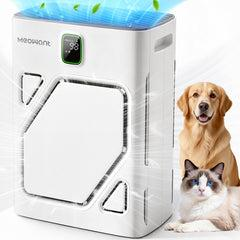
Living with a cat or dog and reacting to the air in your own home is a frustrating combination. Dander, saliva proteins, and fine hair settle on every surface and stay airborne longer than most people realize. Allergy sufferers often turn to a pet air purifier as a way to keep their companion without constant sneezing, itchy eyes, and congestion. The device can help, but only when it is chosen for the right reason and paired with sensible habits. It is not a medical treatment, and it will not make an allergic person symptom-free. What it can do is lower the airborne allergen load in the rooms where you spend the most time, which for many households makes daily life noticeably easier. Here is what to expect and how to get the most from one.
Understanding What Triggers Pet Allergies
Contrary to popular belief, fur itself is not the main allergen. The proteins that trigger reactions come from skin flakes, saliva, and urine, and they cling to hair and dust as those particles circulate. Because they are small and light, they stay suspended for hours and travel through a home’s airflow. That is why a room can feel irritating even when no pet is present. A purifier helps by pulling those particles out of the air before they settle onto bedding and upholstery.
Dander Behavior in a Real Home
Dander is sticky and persistent. It collects in soft furnishings, carpets, and curtains, and it re-enters the air whenever someone sits down or walks across a rug. A purifier cannot clean a sofa, but it can reduce the particles that remain airborne and the fine dust that gets stirred up during daily activity. This is why filtration works best alongside regular vacuuming and washing of pet bedding rather than instead of it.
Why Some Rooms Matter More
Bedrooms deserve priority. People spend hours there with the door closed, breathing the same air all night. A purifier running on low in a bedroom often delivers more perceived relief than a larger unit in a living room, because the exposure time is longer and the space is smaller. If only one unit fits the budget, start where you sleep.
What Filtration Can Realistically Deliver
A true HEPA filter captures the fine particles that carry pet allergens, and a well-sealed unit can reduce airborne concentrations in a treated room within hours. Owners commonly notice less dust settling on surfaces and fewer mornings with a stuffy nose. The effect is gradual rather than dramatic. Expect improvement over days of continuous use, not a transformation in the first hour.
Setting Expectations for Allergy Season
Pollen season stacks on top of pet allergens, and a purifier helps with both because the filter does not distinguish between them. During high-pollen months, running the unit continuously and keeping windows closed can make a real difference. Keep in mind that filtration lowers exposure; it does not eliminate it. Anyone with significant allergies should still treat the purifier as one part of a broader plan that includes cleaning, bedding management, and advice from a doctor.
Where a Purifier Falls Short
It cannot remove allergens already embedded in carpets and furniture, and it cannot stop a pet from grooming or shedding. It also cannot compensate for a box that is left dirty or a home with no cleaning routine. If symptoms persist despite filtration, the answer usually lies in the cleaning and bedding habits, not in a stronger machine.
Designing an Allergy-Friendly Routine
The most effective routines combine three layers: reduce the source, remove what settles, and filter what remains airborne. Reducing the source starts with grooming. Brushing a pet outdoors or in a well-ventilated room, and wiping paws after walks, cuts the amount of dander and hair that enters the home. Washing pet bedding on a regular schedule removes accumulated proteins that would otherwise re-enter the air.
Removing what settles means vacuuming with a sealed system and a HEPA bag or filter, and damp-wiping hard surfaces instead of dry dusting. These habits keep allergens from becoming airborne again. Filtering what remains is the purifier’s job. When all three layers work together, the difference in a bedroom or living room is easy to feel, and it holds up through the seasons rather than fading after a few days.
Keep the pet’s sleeping spot and the litter box away from the bedroom if possible. A cat that sleeps on your pillow deposits allergens exactly where you breathe for eight hours. Closing the bedroom door and using a purifier there creates a lower-allergen zone that many owners describe as the single most useful change they made.
Choosing a Unit for Allergic Households
Before you buy, walk through the room at different times of day and note where dust collects. Corners near the pet bed, the space under the sofa, and the area beside the litter box usually hold the most. Those observations point to the best placement and help you judge how much coverage you actually need.
For allergy relief, filtration quality outranks every other feature. Look for a true HEPA stage with a tight seal, a washable pre-filter that captures hair before it reaches the fine filter, and enough airflow to cycle the room several times per hour. Carbon is a secondary benefit here, useful for litter odors and household smells that can aggravate irritation.
Noise and nighttime operation matter more than most shoppers expect. An allergy-friendly bedroom setup usually runs all night, so choose a unit with a quiet low setting and a dimmable or disabled display. A pet air purifier designed for continuous operation at low speed is more useful in this role than a loud machine that only runs during the day.
Check filter availability and cost before buying. Allergy households run their purifiers constantly, so filters load quickly. A unit with affordable, easy-to-find replacements will stay in service, while one with expensive proprietary filters often ends up switched off. Meowant publishes its replacement schedules, which makes budgeting straightforward.
Placement Tips for Symptom Relief
Place the unit so that it draws air across the room rather than into a corner. Keep it a few feet from walls, curtains, and furniture, and away from the pet’s bed if hair would clog the intake. In a bedroom, position it between the door and the bed so it treats air moving through the room. In shared living spaces, a central location serves more of the area than a spot against a far wall.
Run it continuously at a moderate setting and resist the urge to switch it off when the room feels fine. Allergen levels rebuild quickly once filtration stops, especially in a home with an active pet. A steady hum is a small price for air that stays cleaner through the night.
Sealing the room helps as much as the purifier itself. Weatherstripping a bedroom door and keeping the gap under it closed slows the migration of dander from the rest of the house. Combined with filtration, a well-sealed bedroom can become a noticeably calmer space for an allergic sleeper. If you cannot seal the door, a purifier near the doorway catches incoming particles before they spread.
Track your symptoms honestly for a few weeks. Note whether mornings feel different, how often you wake congested, and whether dust builds up more slowly. This simple log tells you whether the current setup is working and where to adjust, far better than guessing from how the air seems on any single day.
Visitors notice the difference too, and their reaction is a useful signal. A guest who once sneezed through a visit and now sits comfortably is telling you the setup works. Use that feedback alongside your own log to decide whether to add a second unit or simply adjust the schedule you already have.
A Practical Tool for Cleaner Air
A pet air purifier will not cure an allergy, but it can reduce the airborne allergens that make a home uncomfortable, especially in a bedroom where you spend hours each night. Pair a true HEPA unit with source reduction and regular cleaning, run it continuously and quietly, and maintain the filters on schedule. With realistic expectations and consistent habits, many owners find they can share their home with a pet and breathe more easily at the same time.
