

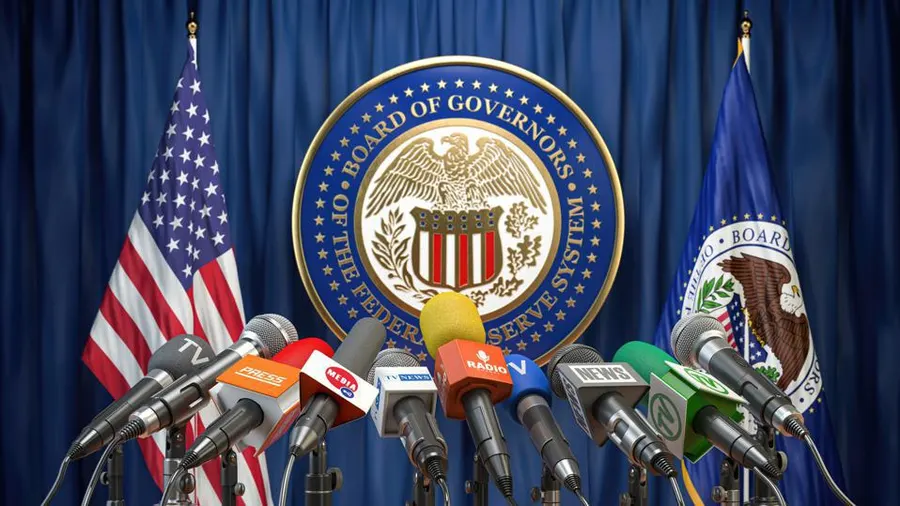
The Federal Reserve plays a major role in shaping how much people pay to borrow money. When it changes interest rates, it affects everything from home loans to credit cards. Many borrowers often wonder how Fed affect loans and why even a small policy change can impact their monthly payments. Understanding this connection helps you make smarter financial decisions, especially when planning big purchases or refinancing debt.
In simple terms, the Fed does not set your personal loan rate directly, but it influences the broader cost of borrowing in the economy. Banks, lenders, and credit institutions adjust their rates based on Fed actions. This is why tracking Federal Reserve decisions can give you a clearer picture of where loan costs are heading next.
How the Federal Reserve Influences Loan Interest Rates
When people ask how Fed affect loans, the first thing to understand is the federal funds rate. This is the rate banks charge each other for overnight lending. While it may sound distant from everyday borrowing, it sets the foundation for most interest rates in the economy.
When the Fed raises or lowers this rate, banks usually follow by adjusting consumer loan rates. This includes personal loans, auto loans, and even credit card interest rates. A higher federal funds rate often leads to more expensive borrowing, while a lower rate generally makes loans cheaper. This chain reaction is why Fed decisions are closely watched by borrowers and financial experts.
The Link Between Fed Decisions and Mortgage Rates
Mortgage rates are one of the most noticeable areas where how Fed affect loans becomes very clear. Although mortgage rates are not directly controlled by the Fed, they often move in the same direction as Federal Reserve policy changes. This is because lenders base mortgage pricing on long-term economic expectations.
When the Fed signals rising interest rates to control inflation, mortgage lenders usually increase their rates to protect against future risk. On the other hand, when the Fed lowers rates to stimulate economic growth, mortgage rates may drop. This is why homebuyers often time their purchases based on Fed announcements and economic forecasts.
Impact on Personal and Auto Loans
Personal loans and auto loans are also strongly influenced by Federal Reserve decisions. These types of loans are typically tied to prime rates or benchmark lending rates, which shift when the Fed adjusts its policy. This is where the concept of how Fed affect loans becomes very practical for everyday borrowers.
When interest rates rise, monthly payments on new personal or auto loans can increase, making borrowing more expensive. Conversely, when rates fall, it becomes cheaper to finance a car or take out a personal loan for expenses like education or home improvement. Lenders also adjust approval criteria based on economic conditions, making borrowing slightly harder or easier depending on the Fed’s direction.
Credit Cards and Variable Interest Rates
Credit cards are especially sensitive to Fed rate changes because they usually carry variable interest rates. This means your credit card APR can increase or decrease based on market conditions influenced by the Federal Reserve. For many consumers, this is one of the most immediate ways to feel how Fed affect loans in daily life.
When the Fed raises rates, credit card interest charges can climb quickly, increasing the cost of carrying a balance. This makes it more expensive to pay off existing debt over time. On the other hand, when the Fed cuts rates, borrowers may see slight relief in their monthly interest charges. However, the impact is often gradual and depends on the lender’s policies.
Role of Inflation and Economic Growth in Loan Costs
Inflation is one of the main reasons the Federal Reserve adjusts interest rates in the first place. When prices rise too quickly, the Fed may increase rates to slow down spending and borrowing. This is another key factor in understanding how Fed affect loans across the financial system.
During periods of strong economic growth, the Fed may raise rates to prevent the economy from overheating. This often leads to higher borrowing costs for consumers and businesses. In slower economic periods, the Fed may reduce rates to encourage spending and investment. These changes directly influence loan affordability and long-term financial planning.
Prime Rate, Bank Lending, and Consumer Borrowing Trends
The prime rate is closely connected to Federal Reserve policy and serves as a benchmark for many consumer loans. When people explore how Fed affect loans, the prime rate is often a central reference point used by banks to set interest rates for credit products.
Banks typically adjust their lending rates based on changes in the prime rate, which moves in line with the federal funds rate. This affects everything from business loans to home equity lines of credit. As a result, shifts in Fed policy quickly spread through the banking system, influencing how much individuals and businesses pay to borrow money.
Long-Term Effects of Fed Decisions on Financial Planning
Over time, repeated changes in Federal Reserve policy can shape broader financial behavior. Borrowers may become more cautious when rates are high and more active when rates are low. This long-term cycle highlights the importance of understanding how Fed affect loans when making financial plans.
For example, during low-rate environments, people may refinance mortgages or take on larger loans. In high-rate environments, they may focus on paying down existing debt instead of borrowing more. These shifts can affect household budgets, savings habits, and even investment decisions over the long run.
Conclusion
Understanding interest rate shifts after Fed decisions is essential for anyone who borrows money or plans to in the future. The Federal Reserve does not directly set consumer loan rates, but its policy decisions strongly influence the cost of borrowing across the economy. This is why learning how Fed affect loans helps you anticipate changes in mortgage rates, personal loans, auto financing, and credit card interest.
By staying informed about Federal Reserve actions and economic trends, you can make more confident financial choices. Whether you are planning to buy a home, finance a car, or manage credit card debt, knowing how interest rates respond to Fed decisions gives you a clearer advantage in managing your financial future.
