

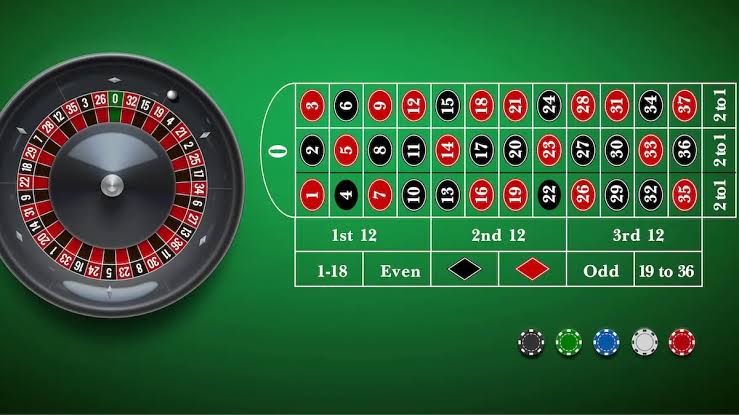
Ask a group of roulette players which number comes up the most, and you’ll get quite a few different answers. Some say 17, others swear by 7. A few will point to whatever came up twice in a row ten minutes ago. Short sessions make the question feel real, since a handful of spins can easily look like a pattern. It’s worth looking at what actually happens at the wheel and what doesn’t.
How numbers hit on the wheel
In roulette, every number on the wheel has the same chance on every spin. A European wheel has 37 pockets, so a single number hits about 2.7% of the time. An American wheel has 38, which brings that down to roughly 2.6%. The ball has no memory, so a number that just hit isn’t any more or less likely to hit again.
Games work exactly the same way in online roulette. Results come from a random number generator (RNG), and independent test labs check that the output is actually random. At a live dealer table, a real wheel gets spun in a studio, but the odds per number stay exactly the same. So there’s no number that hits the most in the long run. Over thousands of spins, the results even out, and over a short session they simply don’t.
A typical session
Say you play 100 spins on a European wheel. Each number should come up about 2.7 times on average, but that average hides quite a bit of variation. Around five numbers usually end up with five hits or more and a couple get hit just once. Two or three numbers often don’t show up at all. The chance of one number missing across 100 spins is about 6.5%, so that’s quite normal. The numbers that land in each group change from one session to the next, so last night’s leaders don’t tend to lead again.
Some numbers feel hotter
Casinos have a board where they show the last numbers drawn. It’s here that most players focus on. They check recent results to derive some ideas from there. The number that appears twice within a short period gets immediate attention from the players. Spins that show nothing as a standout are obviously ignored.
For ideas, there are other places like Reddit, other casino-specific forums and discussions, and videos on social media. When players have a good idea of the numbers, they believe that hitting that very number might turn the tide in their favor.
Popular numbers aren’t winning numbers
Lists of the best roulette numbers often name 17 and 7, plus 23 and 24. Those picks mostly come from where the numbers sit on the table or from numerology, like the idea that 7 is lucky. It shows which numbers players like to bet on, not which ones the wheel favors.
The idea of favored numbers goes back to land-based casinos, where a wheel that was slightly off could lean toward certain pockets. Modern wheels and software are tested to prevent that, so an old habit of chasing certain numbers doesn’t have much behind it anymore.
Where luck comes in
Streaks are the part that confuses people most. It helps to think about what exactly luck is in a game like this. Basically, it’s the gap between what you’d expect over many spins and what you actually see over a few. A number that hits three times in twenty spins isn’t running hot. It’s a normal swing that gets noticed because the stretch is short. Nobody can say when a streak will end, and it doesn’t tell you anything about the next spin either.
Choosing the numbers
Since no number is likelier than another, the better choice is the wheel itself. A European wheel with a single zero has a house edge of about 2.7%, while the American double-zero wheel sits at around 5.26%. That difference matters far more than whether you pick 17 or 22.
Straight-up bets pay 35 to 1, so they hit rarely, and the losses can add up quickly over a session. Dozens and columns pay 2 to 1 and hit close to a third of the time, which keeps swings smaller. Setting a spending limit before you start does more for a session than any lucky number.
