

Introduction
The world of online entertainment has introduced many new ways to experience traditional games. Among these, slot games have developed into a recognizable category with a wide selection of themes, layouts, and digital features. Their designs range from simple reel arrangements to detailed games featuring animated characters and creative visual effects.
The original concept of a slot machine was relatively simple. A machine displayed several reels containing different symbols, and its system evaluated the combinations after each round. Modern software has expanded this concept by introducing new layouts, sound effects, and additional mechanics.
Today, understanding slot games involves more than recognizing symbols on a screen. It also means learning about game structures, software systems, design choices, and the risks associated with real-money gambling.
The Origins of Slot Machine Entertainment
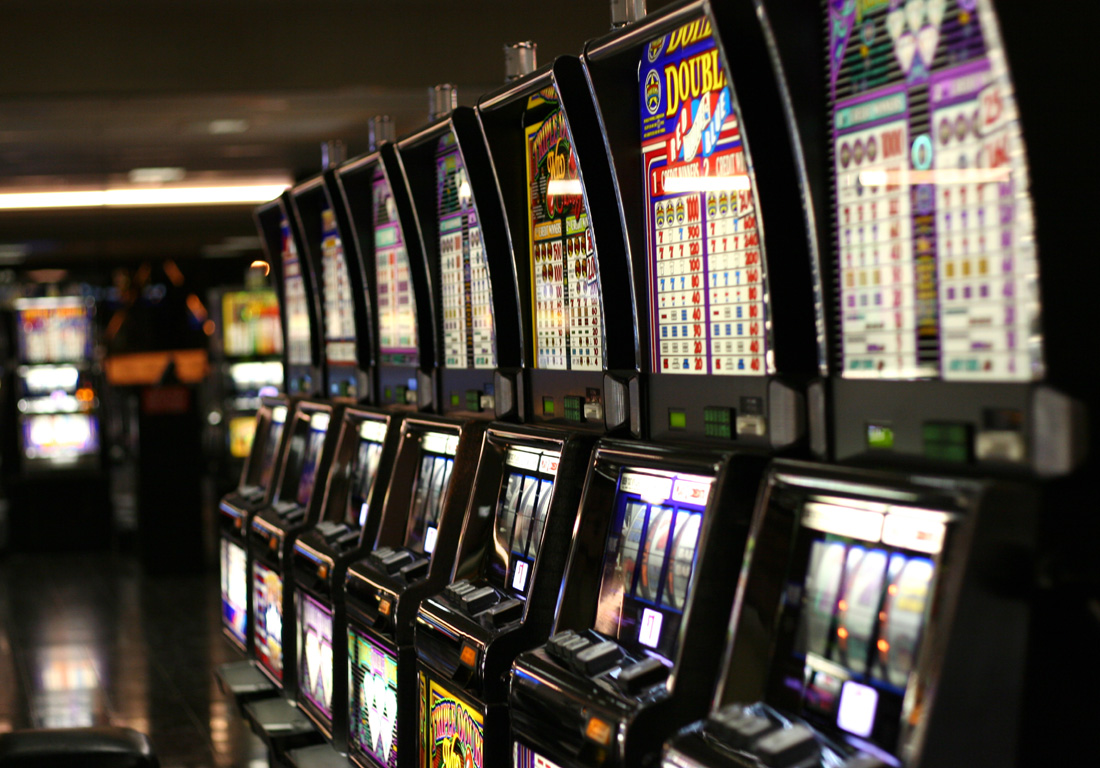
Slot machines have a long history in the entertainment industry. Early machines were mechanical devices that used physical reels and a limited selection of symbols.
Their designs were generally straightforward. Players activated the machine, the reels rotated, and the final arrangement determined the result according to its rules.
As technology improved, electronic components replaced many mechanical systems. This allowed manufacturers to introduce more flexible displays, additional symbols, and different game arrangements.
The arrival of internet-based entertainment created another important stage. Slot-style games became available through digital platforms, making it possible to experience different formats using computers and mobile devices.
How a Modern Slot Game Is Organized
Although slot games can have different appearances, many share a similar basic structure.
The reels display symbols in separate positions. When a round takes place, the software determines the result and checks it against the game's predefined rules.
A typical game interface may contain several sections:
Main Reels: The central area where symbols are displayed.
Information Panel: A section containing game instructions and important details.
Paytable: An explanation of symbol combinations and their values.
Feature Area: A display for special symbols or additional game functions.
Control Panel: The buttons and settings used to operate the interface.
The arrangement of these sections depends on the individual game's design.
Exploring Different Reel Arrangements
Reel arrangements are an important part of slot game development. They influence how symbols appear and how combinations are evaluated.
Three-Reel Layouts
Three-reel layouts are associated with traditional slot machines. They usually contain a smaller number of symbols and a straightforward presentation.
Five-Reel Layouts
Five-reel designs provide more room for different symbols and combinations. They are frequently used in modern video slots and may include additional features.
Expanding Reel Structures
Some games use changing reel heights or different numbers of symbol positions. This can create more possible arrangements and a distinctive visual experience.
Grid-Based Formats
Certain newer designs use a grid rather than a traditional reel arrangement. Symbols appear in rows and columns, with matching groups evaluated according to specific rules.
Each format has its own mathematical structure, so the game instructions should be checked before making assumptions about how results are calculated.
The Importance of Symbol Design
Symbols help communicate the identity and mechanics of a game. Developers often create artwork that matches the selected theme while making important icons easy to recognize.
Regular symbols are the basic images used to form combinations. Special symbols may have additional functions.
Some commonly used types include:
Wild Icons: These may substitute for selected regular symbols.
Scatter Icons: These can activate certain features when specific conditions are met.
Bonus Icons: These may introduce an additional round or a separate game feature.
Multiplier Icons: These apply a mathematical multiplier to qualifying results.
Theme-Based Icons: These represent objects, characters, or locations connected to the game's visual concept.
The exact function of every symbol should be explained in the game's paytable.
How Developers Create Different Game Experiences
Game development involves several stages, including concept planning, artwork creation, software programming, sound production, and testing.
First, developers choose a central idea for the game. This could be a historical setting, a fantasy story, a natural environment, or a futuristic world.
Artists then create the symbols, backgrounds, and visual elements. Sound designers develop music and effects that match the selected theme.
Programmers connect these elements to the game's rules and interface. Testing is also important because it helps identify technical problems and check whether the software works as intended.
The final product combines visual presentation with a programmed system that controls the game's operation.
Special Features in Contemporary Slot Games
Modern titles may include several features that distinguish them from traditional machines.
Free-Spin Rounds
Some games include a feature that provides a specified number of additional spins when certain conditions are met. The rules explain how these rounds operate.
Cascading Symbols
In cascading formats, qualifying symbols may disappear from the screen and allow new symbols to enter their positions.
Expanding Wilds
Certain games use wild symbols that can expand across additional positions under specific conditions.
Bonus Games
Bonus games may introduce a separate screen or a different set of instructions. Their design varies between titles.
Multipliers
A multiplier changes the calculated value of a qualifying result according to the game's rules. It does not guarantee a positive outcome.
These features add variety to game design, but all outcomes remain subject to chance.
Random Number Generators Explained
Digital slot games commonly use a Random Number Generator, also known as an RNG. It is a software system designed to generate random values that determine game outcomes.
In a properly functioning random system, results cannot be reliably predicted by studying previous rounds. A sequence of unsuccessful results does not guarantee that a successful result will happen next.
This is an important distinction because online discussions sometimes present unsupported methods as reliable prediction techniques.
Users researching a game should look for clear technical information and relevant independent testing details where available.
Learning About RTP and Probability
RTP and probability are common subjects in slot game information.
RTP means Return to Player. It represents a theoretical percentage calculated over a large number of rounds. It does not promise a specific return to an individual user.
Probability describes how likely a particular event is under the game's mathematical rules. Different games can have different probabilities and payout structures.
It is important not to confuse theoretical statistics with guaranteed personal results. Short-term outcomes can differ significantly from long-term mathematical expectations.
The Growth of Mobile Slot Entertainment
Mobile devices have become an important part of digital gaming. Developers now consider smartphones and tablets when designing their interfaces.
A mobile-friendly game should be easy to navigate and display its important information clearly. The controls should fit the screen, and the layout should adjust to different device sizes.
Other useful mobile design features include readable instructions, responsive menus, optimized images, and compatibility with supported browsers.
Users should also protect their devices by installing software updates and avoiding suspicious downloads or unfamiliar websites.
What to Check Before Using an Online Gaming Website
Researching a platform is an important step before using any online service. A professional appearance does not automatically prove that a website is safe or legally authorized.
Consider these points:
Licensing and Regulation: Confirm whether the platform is permitted to operate in your location.
Website Protection: Review its approach to account security and data protection.
Privacy Information: Understand how personal information is collected and used.
Terms and Conditions: Check the rules, restrictions, and important service conditions.
Customer Support: Look for clear and accessible support channels.
Game Transparency: Review available rules, paytables, and technical information.
Be cautious of websites that advertise guaranteed profits, make unrealistic claims, or fail to explain their conditions.
Common Myths About Slot Games
Misunderstandings about slot games can lead to poor decisions.
One popular myth is that a machine must produce a particular result after several unsuccessful rounds. Random outcomes do not work according to this assumption.
Another misconception is that a certain time of day or button sequence can control the result. There is no dependable basis for treating these actions as guaranteed methods.
Some people also misunderstand RTP as a promise of personal earnings. In reality, it is a theoretical long-term measurement.
Understanding these differences helps separate accurate game information from misleading claims.
Responsible Use and Financial Awareness
Real-money slot games involve financial risk. A user may lose money, and no playing method can guarantee a win.
People should follow the gambling laws and age requirements that apply in their location. Gambling should never be considered a dependable income source or a way to recover financial losses.
It is important to protect money needed for essential expenses and to avoid borrowing money for gambling. Setting personal limits and taking breaks can help maintain healthy boundaries.
If gambling begins to affect daily responsibilities, relationships, or finances, stopping and seeking suitable professional support is a responsible choice.
Future Possibilities for Slot Game Technology
Slot game development may continue to change as digital technology advances. Developers could introduce improved visual effects, more accessible interfaces, creative themes, and new ways to organize game layouts.
Better software testing and stronger security practices may also become important areas of focus.
However, technological improvements do not remove the uncertainty associated with chance-based games. New features can change the presentation, but they cannot guarantee a particular outcome.
Conclusion
Slot games have transformed from basic mechanical machines into varied digital entertainment products. Modern designs include different reel arrangements, creative artwork, special symbols, bonus mechanics, and mobile-friendly interfaces.
Learning about their structure and technology helps readers understand how these games operate. It is equally important to understand concepts such as RNG, RTP, and probability without confusing them with promises of success.
Anyone researching online slot entertainment should prioritize accurate information, legal requirements, data security, and responsible decisions. Real-money gambling carries financial risks, and no system can guarantee winning results.
