

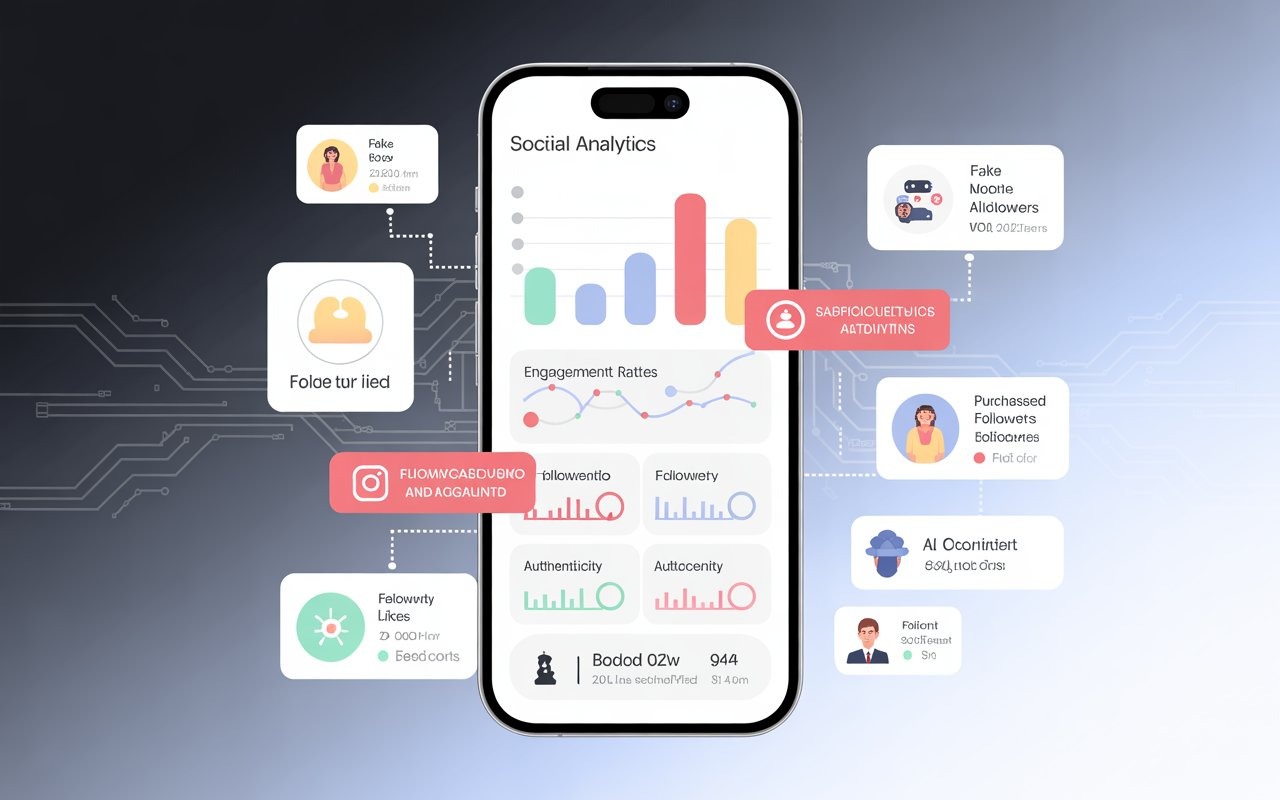
Influencer marketing has become a key element of modern brand strategy, helping businesses to connect with audiences through authentic voices. However, since the industry has grown rapidly, the number of false followers and fake participation is on the rise.
Many influencers buy likes, comments, and followers to appear more influential than they are. This can drive brands to spend on relationships that do not produce actual returns. The solution is to use an influencer tracking platform, which is a data-driven tool for authenticating interactions, monitoring performance, and protecting campaigns from fake metrics.
Understanding Fake Engagement in Influencer Marketing
Fake engagement happens when influencers use fake means to increase their reach or credibility. This involves buying followers, using engagement groups (in which users agree to like and comment on each other’s posts), and depending on bots to manipulate analytics. These approaches affect actual performance, making it difficult for brands to determine whether their efforts are reaching genuine, active consumers.
In influencer marketing, engagement rate is one of the most important indications of success. However, when that connection is not genuine, brands end up paying for exchanges that do not result in increased visibility or revenue. An influencer tracking platform detects such activities through assessing engagement quality, which includes how followers interact, the sort of comments received, and if those patterns are consistent with genuine audience activity.
Why Fake Engagement is a Problem for Brands
Fake engagement damages campaign credibility and long-term brand trust. Some of the most common concerns that arise are:
- Inaccurate ROI Measurement: When fake engagement inflates metrics for performance, it is impossible to appropriately assess campaign success.
- Wasted Marketing Spend: Brands pay influencers who do not produce meaningful conversions or brand exposure.
- Misleading Data: False metrics cause teams to make poor choices regarding which influencers to collaborate with in future initiatives.
- Brand Reputation Risks: Collaborating with influencers known for fake engagement might harm a brand’s image and credibility.
- Reduced Customer Trust: Today’s audiences can easily recognize inauthentic content, and working with such influencers can have an impact on public sentiment.
Key Signs of Fake Engagement in Campaigns
Early recognition of false engagement can save brands plenty of time and financial resources. Here are some red flags to look for:
- Unusual Follower Spikes: A sharp rise in follower count without matched improvements in content quality or visibility is usually indicative of paid followers.
- Low-Quality Comments: Generic or repetitive comments may indicate bot activity rather than genuine involvement.
- Imbalanced Ratios: A high following with a consistently low interaction rate indicates that many followers are inactive or false.
- Follower Demographic Mismatch: If the influencer’s audience is from different geographies or demographics, it may not be of real interest.
- Inconsistent Growth Patterns: Real influencers grow steadily, however, fake ones shift abruptly because of follower purchases.
How an Influencer Tracking Platform Detects Fake Engagement
An influencer tracking platform uses analytics, artificial intelligence, and historical data to detect fraudulent activity across influencer accounts and campaigns. Its detection technique commonly involves:
- Authenticity Scoring: The platform offers ratings based on engagement quality, audience credibility, and content reach. Influencers who show unusual activity patterns receive lower trust scores.
- Engagement Quality Analysis: Rather than focusing solely on numbers, it examines the kind of interactions, including comment depth, user profiles, and post timeliness.
- Audience Verification: By cross-checking follower profiles, the system detects false or inactive accounts among an influencer’s followers.
- Real-Time Monitoring: Real-time influencer analytics helps marketers to find sudden engagement increases or suspicious activity while campaigns are running.
- Historical Data Comparison: The software examines engagement trends over time to identify errors that may show manipulation.
Key Metrics to Track with Influencer Performance Analytics
To ensure transparency and accuracy, brands should monitor specific performance metrics using influencer performance analytics tools.
- Engagement Rate: The ratio of real interactions, such as likes, comments, and shares, to the number of followers.
- Audience Authenticity Score: Determines how many followers are genuine, active, and relevant to the campaign’s target demographic.
- Follower Growth Trend: Compares organic versus rapid follower increases, detecting questionable spikes.
- Comment Quality Index: The tone, depth, and variety of comments to distinguish bots from genuine individuals.
- Reach and Impressions: Determines how many unique users have viewed the material, which helps validate audience size and dispersion.
- Conversion Metrics: Tracks website clicks, sign-ups, and revenues generated by influencer content to link engagement to tangible results.
Conclusion
As influencer marketing grows, so does the possibility of fake engagement. Without accurate monitoring, businesses can easily fall for inflated figures and waste significant marketing resources. Adopting an influencer tracking platform gives the transparency and analytical depth required to spot fraudulent activity and maintain campaign integrity.
Businesses can use influencer performance analytics and real-time influencer analytics to validate audience legitimacy, monitor interaction quality, and improve influencer selection. This not only protects costs but also builds trust between companies and creators. A trustworthy tool for tracking influencers helps marketers focus on real collaborations.
